

.svg)
Step into a Georgia manufacturing plant and you'll see experienced technicians mentoring apprentices on production lines, CNC machinery, and equipment diagnostics. Most people who want a manufacturing career face a hard choice. Spend two years in school while your savings drain. Or stay in the low-wage job you're trying to escape. Registered apprenticeships remove that trap. You earn real wages from day one while learning hands-on skills employers need. No student debt. No "someday" promises. Just a paycheck and a path to a solid technical career. Georgia manufacturers are actively recruiting apprentices right now. If you've been stuck between financial fear and career ambition, this is your fastest way forward.
A registered apprenticeship is a formal job-training program recognized by the U.S. Department of Labor. It combines paid on-the-job training, usually under a skilled mentor, with related classroom instruction, often just one or two nights a week or online. You're an employee from day one, earning wages while you learn. The program typically lasts three to four years, depending on the trade. At completion, you earn a nationally recognized credential.
Here's what makes this different from traditional training: you're not betting on future employment. You're training inside the job itself, with an employer who's invested in your success because you're already filling their labor gap. The classroom work focuses on theory, codes, and compliance. The job site is where you develop real troubleshooting skills. Many Georgia manufacturers cover tuition for the classroom portion through partnerships with community colleges or online providers like Unmudl.
Why Georgia specifically? The state has a strong manufacturing base. Industrial plants, automotive suppliers, and advanced equipment manufacturers need technicians faster than traditional training programs can supply them. The Georgia Association of Manufacturing has worked with state employers to expand apprenticeship pathways. That means more open spots, clearer advancement, and stronger wage growth as you progress.
The money is the reason apprenticeships work for people who can't afford to stop earning. You earn from your first paycheck. Starting wages for manufacturing apprentices in Georgia typically range from $18,000 to $26,000 per year, depending on the employer and trade. That's livable.
Here's the progression. Most registered apprenticeships in Georgia use a stepped wage model. Your hourly rate increases as you move through the program, usually every six to twelve months. By year two, you might earn $24,000 to $32,000 annually. By year three, $28,000 to $40,000. When you complete the program and earn your journeyman card, entry-level journeyman wages in Georgia manufacturing sit between $45,000 and $65,000, depending on the specialty and employer (sometimes higher with overtime or shift premiums).
Benefits matter too. Most Georgia manufacturing employers offer health insurance, dental, and 401(k) matching during your apprenticeship, not after you graduate. Some cover a portion of your tuition. A few large employers like Kia and Southwire offer paid time off for classroom attendance, so you're not trying to work and study on your own dime. This is the part that changes the math for career changers: you're not accumulating debt while learning.
Consider the numbers. Traditional two-year associate degrees cost $10,000 to $20,000 out of pocket, even with financial aid. An apprenticeship costs nothing. You're paid. That's a $20,000 to $40,000 swing in your favor right there.
The full registered apprenticeship program runs three to four years. But the timeline breaks down into phases so it doesn't feel like an endless commitment.
Pre-apprenticeship (optional). Some employers or community colleges offer pre-apprenticeship programs: three to six month jumpstarts that teach safety basics, math, blueprint reading, and basic tools. You don't get paid in pre-apprenticeship, but you gain credibility with employers and fill knowledge gaps. If you didn't finish high school or need to refresh math skills, this step matters.
Application and onboarding (2-4 weeks). Once you apply to an employer's apprenticeship program, the screening is faster than you might expect. Most want to see that you can show up on time, pass a drug test, and communicate clearly. They don't expect prior manufacturing experience, though they appreciate it. If selected, you'll onboard within two to four weeks.
Apprenticeship proper (3-4 years). You're on the job Monday through Friday, usually 8 a.m. to 5 p.m., with classroom time either one or two nights a week (typically starting at 6 p.m.) or condensed into weekend blocks. Your employer schedules this to minimize disruption. You're progressively handed harder tasks. By year two, you're troubleshooting minor equipment problems. By year three, you're running production schedules and training newer apprentices.
The classroom work covers safety (OSHA certifications), equipment-specific skills (PLC programming, electrical fundamentals, CNC operation depending on your track), and soft skills like communication and problem-solving. Many Georgia apprentices complete this through community colleges in your region; some do online work to save commute time.
Journey status and beyond (year four onward). After you complete your hours and pass your final exam, you become a journeyman. No more apprentice wages. Full journeyman pay. From there, the path is clear. You can move to supervisory roles, specialize in specific equipment, or start moving toward plant-level maintenance planning like the skills you'd develop through Frontline Leadership for Manufacturing.
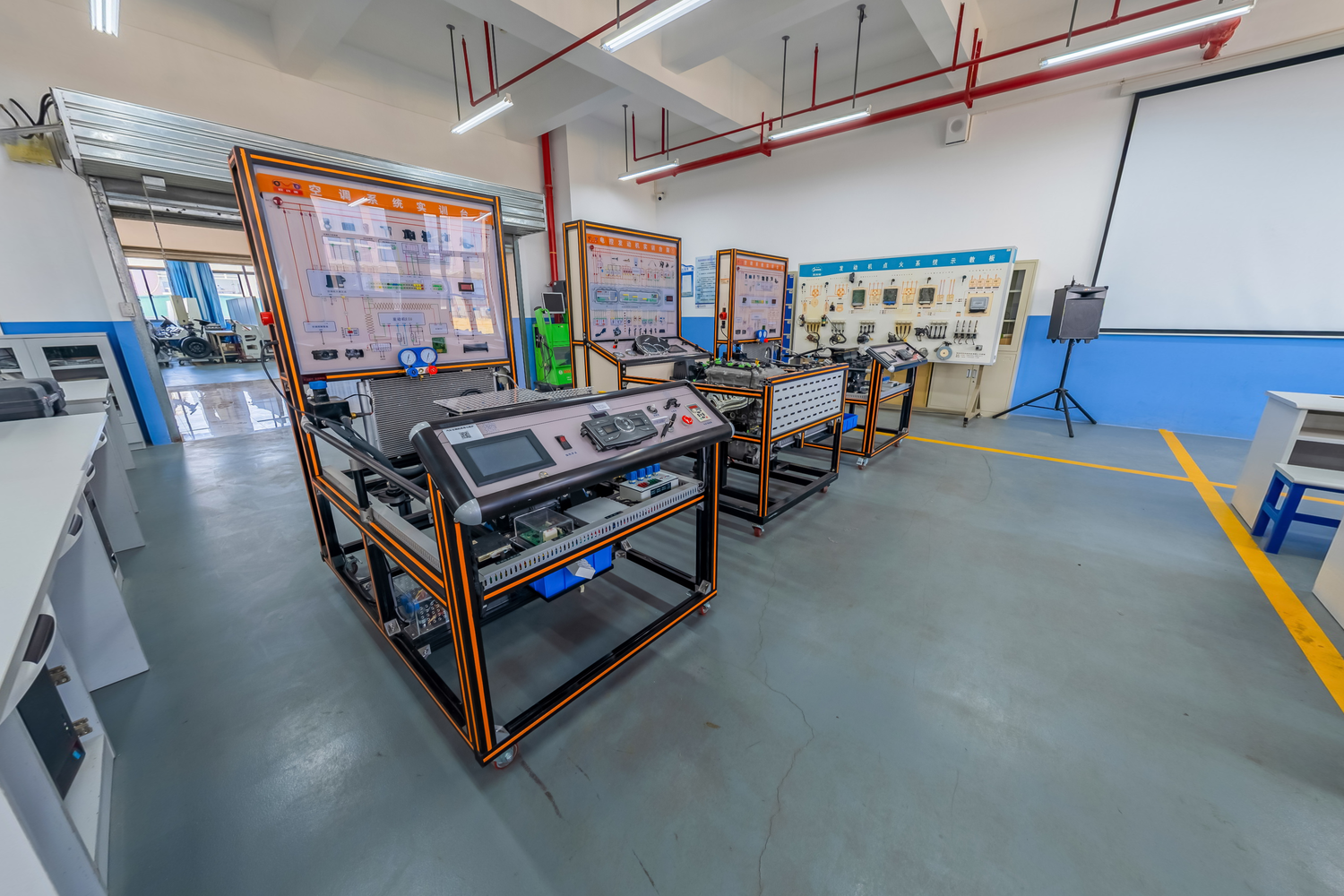
This isn't theoretical. Real Georgia manufacturers are recruiting apprentices right now.
Southwire (Carrollton and Austell, Georgia). One of the nation's largest wire and cable manufacturers runs a formal apprenticeship program for production technicians and maintenance technicians. Pay progression is transparent. They cover tuition for classroom work through local community colleges. Apprentices often move into supervisory roles after journeyman status. The program emphasizes cross-training across multiple production lines.
Kia Motors Georgia (West Point, Georgia). The automotive assembly plant runs an apprenticeship program for electro-mechanical technicians. Given the shift to electric vehicle manufacturing, this program includes training on high-voltage systems and battery diagnostics. Starting wages are solid; progression is fast if you're willing to cross-train on multiple assembly lines. Paid study leave is included.
Toyo Tires (White, Georgia). Manufacturing plant recruiting apprentices for equipment maintenance. They emphasize preventive maintenance training, which means you learn to catch problems before equipment breaks, the skills most employers desperately need. Toyo covers tuition and offers paid study time. Equipment expertise here translates to other tire and polymer manufacturers nationally.
Engineered Floors (Dalton, Georgia). Flooring manufacturer with an active apprenticeship pipeline for production technicians and equipment operators. They're known for promoting internally, so apprentices who excel often move into maintenance roles within three to five years. The company invests in employee development.
Amazon Georgia Facilities. While Amazon's primary pathway is Career Choice, which lets associates pursue vocational training on Amazon's dime, some fulfillment centers work with local community colleges and training providers on mechanical aptitude and equipment maintenance apprenticeships. These are smaller programs, but they're worth asking about when applying to Amazon positions in Georgia.
Each employer has its own application portal. The Georgia Association of Manufacturing often lists open apprenticeship positions statewide. If you're serious about applying, start with the employer website, then cross-check with state labor board listings.
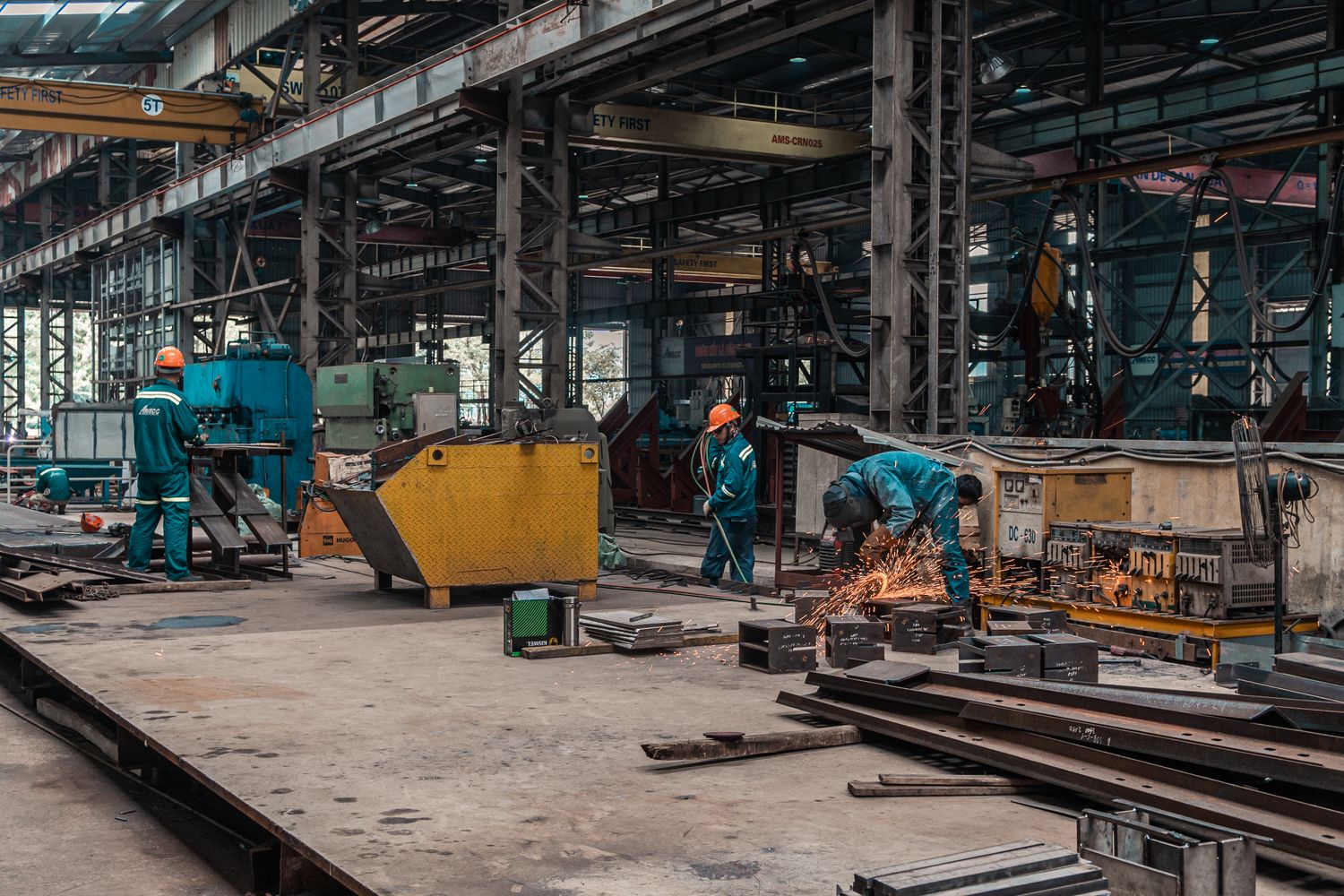
Applying for an apprenticeship is simpler than you think.
The whole process, from application to starting, typically takes four to eight weeks.
Three pathways exist. The differences matter for your decision.
The trade-off is real. Trade school gives you breathing room (longer runway, more theory). Apprenticeship puts you in the job immediately (faster practical skills, no student debt). On-the-job training is the cheapest but leaves knowledge gaps that can limit advancement.
For most career changers in Georgia, apprenticeship wins because you can't afford to stop earning, and you learn faster when an employer is guiding your path.
No. Most Georgia employers explicitly recruit from outside manufacturing. They prefer to train you their way. Show up reliable, ready to learn, and able to follow safety rules. That's the bar. Prior experience in construction, trades, military, or maintenance helps you speak the language, but it's not required.
Yes, usually. Most apprenticeships run standard business hours (8 a.m. to 5 p.m.) plus one or two nights a week for classroom. Larger employers like Kia and Southwire offer paid study leave, so classroom time doesn't eat your personal hours. If you have young kids or eldercare duties, discuss schedule flexibility with your employer during the interview. Many are willing to work with you.
Apprenticeships have built-in retakes. You're not fired after one bad test. Employers invest in your success (they need you to finish). If you're struggling, ask for tutoring. Most apprentices take advantage of free tutoring through community colleges. If you're stuck on material, your on-the-job mentor also helps. Completion rates for registered apprenticeships in Georgia are high because employers and instructors actively support you.
Yes. Georgia has state workforce grants for certain apprenticeships, especially in high-demand fields like advanced manufacturing. Many employers also cover tuition directly. Ask during your interview.
Your journeyman credential travels. You're not locked to that employer. A Southwire-trained maintenance technician can move to Kia or another manufacturer. Your credentials are nationally recognized. That portability is the other huge advantage over informal training.
Registered apprenticeships are DOL-certified, meaning they meet federal standards for hours, pay, safety, and curriculum. They're portable. Employer-specific programs are custom and only count within that company. Stick with registered apprenticeships for the portability and the credential.
You don't need to have it all figured out. You need to do one thing: identify one Georgia employer hiring apprentices and send in an application. The interview will tell you whether the fit is real. Most people who get hired say yes immediately. The work is concrete, the pay is real, and the path is clear.
If you want to get ahead before your first day, spend a few weeks brushing up on math basics or watching videos on basic manufacturing concepts. Look at the Foundations of Automated Equipment Maintenance course for a low-cost preview of what you'll encounter. But honestly, employers don't expect you to know anything yet. They expect you to show up, listen, and be willing to learn.
Most career paths force you to choose: earn now or learn now. Apprenticeships don't. You earn while learning, skip the debt, and build credentials that travel nationwide. The fastest way to a real career isn't to wait for the perfect moment or perfect program. Apply to an apprenticeship opening at a Georgia manufacturer today and get started.


