.svg)
Want to become a technician without racking up debt? Georgia employers are hiring and paying for your training right now. As manufacturers face a severe shortage of skilled workers, companies like Amazon and Intel invest directly in worker development. Employer sponsored technician training georgia covers everything from basic skills to advanced certifications, and you earn money while you learn. Many positions include benefits like health insurance and 401(k) plans. Unmudl's training programs align with what Georgia employers actually need, and most offer employer sponsorship or tuition assistance to cover costs.
Manufacturing across Georgia represents one of the state's largest economic drivers, with thousands of facilities operating in metro Atlanta, the Piedmont region, and rural manufacturing hubs. Yet Georgia manufacturers consistently report difficulty finding workers with the right technical skills. That shortage creates opportunity for you. Instead of waiting years and paying six figures for a degree, you can enter the workforce in weeks or months while earning and getting paid to learn.
The demand is real and immediate. Georgia technical colleges, the Georgia Association of Manufacturing, and Manufacturing Georgia™ all track this skills gap. Companies invest in training because they must. Positions remain open for welders, CNC operators, electricians, hydraulics technicians, and maintenance specialists. Your employer's willingness to pay for your training isn't charity, it's their best strategy to find skilled workers they can count on.
What is employer sponsored technician training? Employer sponsored training means your employer pays for your education upfront. You complete coursework while working part-time or full-time, earning money immediately. Most programs run 8 to 16 weeks or 1 to 3 years depending on the model, not the 4+ years of a traditional degree. You start earning sooner, get real job experience faster, and graduate debt-free with a job waiting.
Employer sponsored technician training differs from traditional college in three key ways: speed, cost, and job placement.
Your employer (or a training partner they hire) pays for your training upfront. You complete coursework while working part-time or full-time. Georgia manufacturers partner with training providers to create programs matching their actual needs.
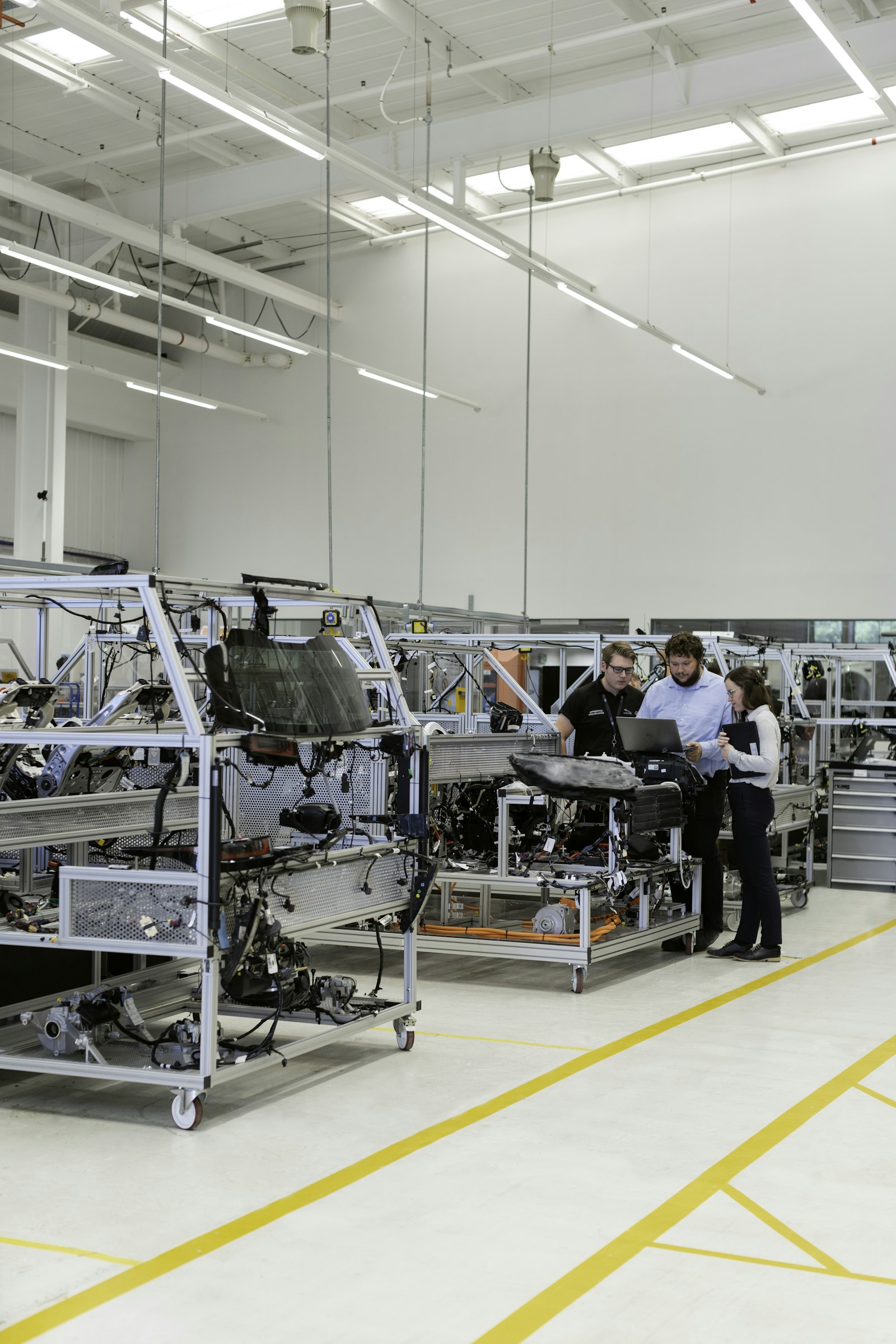
The Amazon and Intel Mechatronics and Robotics Maintenance program exemplifies this approach. Mechatronics combines mechanical engineering, electronics, and computer control systems to automate machinery and production lines. This program pairs hands-on learning with real manufacturing equipment you'll use on the job. Workers earn certifications in weeks without paying tuition themselves. Employers benefit by getting trained workers ready on day one. You benefit by earning while learning and avoiding debt.
| Program Type | Duration | Typical Starting Pay | Best For |
|---|---|---|---|
| Apprenticeship | 1-3 years | $15-$18/hr | Long-term skill building with guaranteed employment |
| Employer Bootcamp | 8-16 weeks | $16-$20/hr | Quick entry into roles with urgent hiring needs |
| Tuition Assistance | Varies (4-12 weeks typical) | $17-$22/hr | Flexible learning while working |
| Skill-Specific Cert | 2-8 weeks | $18-$25/hr | Focused upskilling in welding, CNC, electrical work |
Entry-level positions typically start at $15 to $18 per hour, with increases as you earn certifications. Supervisory or advanced technical roles can reach $20 to $28 per hour within a few years. Manufacturing Georgia™ tracks which employers offer these programs throughout the state. Check with your local manufacturers in Marietta, Covington, the Atlanta metro area, and smaller regional hubs. Many post opportunities on their careers pages or through the Georgia Association of Manufacturing. Don't wait for a job posting, call manufacturers directly and ask about technician development programs.
Tuition reimbursement manufacturing georgia happens after you complete a program successfully. Some companies reimburse 100% of costs. Others pay a percentage based on your grade, test score, or job performance. Paid technician training georgia comes in four primary forms.
Apprenticeship models pair earning with learning. You work as a paid employee while an instructor teaches you on the job and in classroom settings. These typically last one to three years depending on the trade. You start at an apprentice wage and earn raises as you complete milestones. Many Georgia technical colleges coordinate with manufacturers to run registered apprenticeships.
Employer bootcamps are intensive, short-term programs lasting 8 to 16 weeks. You train full-time and get paid like a new employee while learning advanced skills. These work best if you need to start earning quickly. Companies use bootcamps to fill urgent hiring needs.
Manufacturing tuition assistance georgia allows your employer to pay the training provider directly. This covers programs like Unmudl's advanced manufacturing courses, where you learn at your own pace while working. Some employers offer $1,000 to $5,000 annually for skill-building.
Skill-specific certifications target immediate needs. Your employer pays for welding, CNC machining, electrical, or hydraulics training. Many manufacturers offer these through Georgia technical colleges at no cost to employees. Employers value this investment because it reduces turnover, builds loyalty, and keeps skilled workers from leaving after training.
Manufacturing tuition assistance georgia may also include support for licenses and certifications. Some employers cover costs for EPA certification in refrigeration, OSHA safety certifications, or industry-specific credentials that increase your marketability and earning potential.
A paid apprenticeship georgia pairs classroom learning with real work on actual equipment. You're not an intern, you're a paid employee working alongside experienced technicians who teach you the trade. Georgia manufacturers use apprenticeships to build a pipeline of skilled workers who stay long-term.
Apprentice wages typically start around $15 to $18 per hour and increase as you earn certifications and complete skill milestones. You might reach $25 to $30 per hour once certified. The best part? You graduate with a job waiting for you and already understand your employer's equipment, culture, and team on day one.
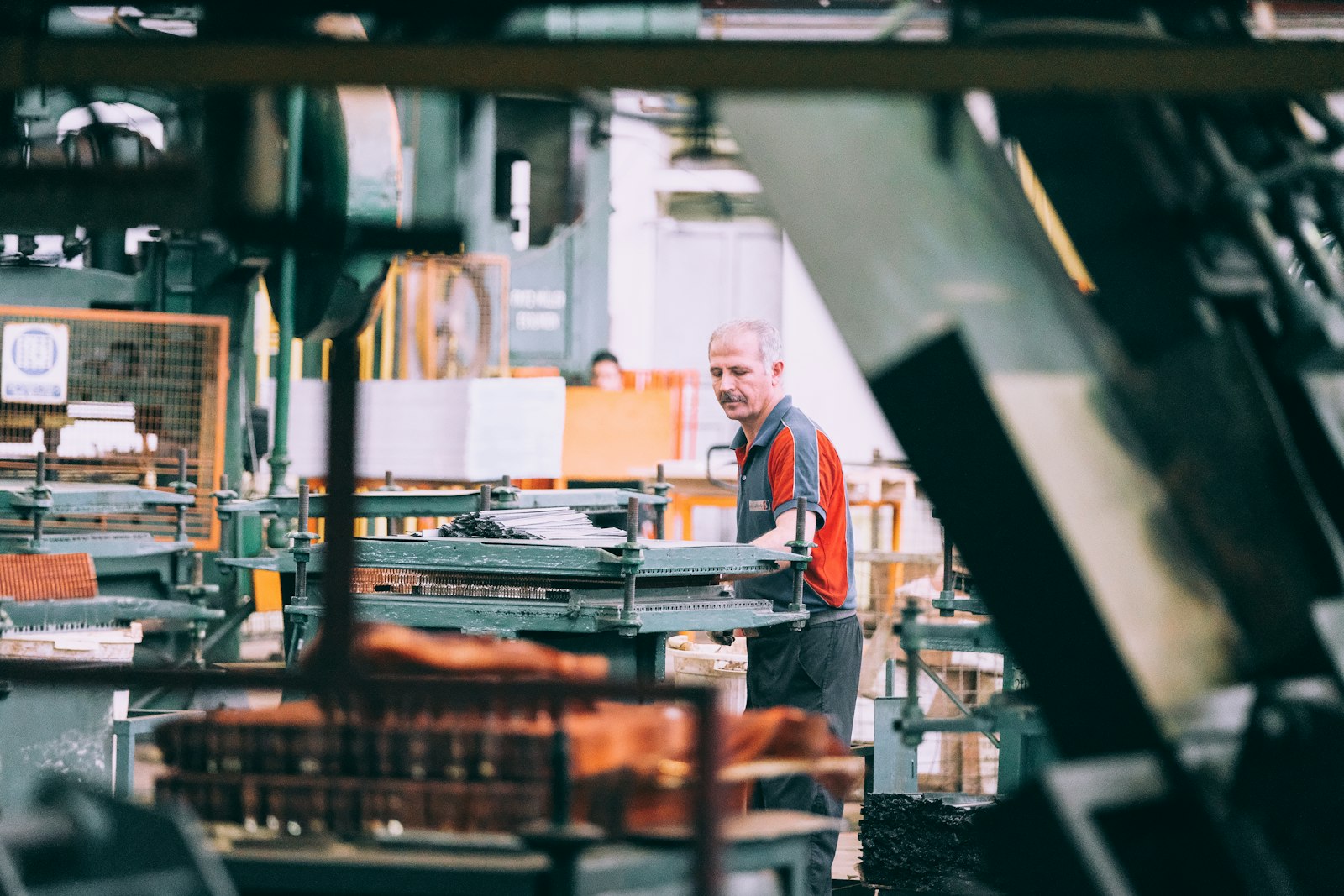
Unmudl Originals like Mechatronics and Robotics Maintenance MANU 2420 align with how manufacturers structure training. These programs take weeks to months, not years. Companies like Amazon use them to onboard new workers quickly while they work. You can also explore military-to-civilian technician pathways if you're a veteran or active-duty service member. Manufacturing companies often prioritize military candidates for these roles because of their demonstrated work ethic.
Manufacturing Georgia™ partners with the Georgia Association of Manufacturing to highlight employers running apprenticeship programs. Many programs accept applications in spring for summer or fall start dates. Apply early, spots fill up fast. Some programs offer signing bonuses or relocation assistance if you're moving for the job.
Advancement timelines vary. Some workers advance from apprentice to technician in 18 months. Others take three years to master their trade fully. The key is that you're earning the entire time and building real credentials. By the time your apprenticeship ends, you're not starting from zero like a college graduate. You're starting from a position of experience.
Most manufacturing employer training programs georgia ask for a high school diploma or GED equivalent. Some require basic math skills (usually middle school level) and basic reading comprehension to understand safety procedures and technical manuals. Beyond that, what matters most is reliability, focus, and willingness to learn.
Many companies run pre-training assessments to catch skill gaps early. They'll help you close those gaps because they want you to succeed. This isn't a weeding-out process, it's them investing in your success. If you're weak in math, they'll offer tutoring or math prep. If English isn't your first language, many provide ESL support.
Georgia technical colleges partner with local employers to run these programs on their campuses or at manufacturing sites. Employers love hiring from these partnerships because graduates are already vetted and trained. You've proven you can show up, learn, and pass assessments. Advanced roles like engineering technician or maintenance supervisor may require prior manufacturing experience or certifications. But entry-level manufacturing technician positions rarely require previous factory experience.
Unmudl's financial assistance options help workers fill gaps if tuition reimbursement doesn't cover everything. Some programs offer stipends for books, tools, or transportation costs. Manufacturing Georgia™ encourages teen learners and career changers to explore these paths. Many programs provide career counseling to help you choose a specialty matching your interests and the local job market.
To get started with manufacturing employer training programs georgia, follow these steps:
Employer sponsored learning georgia programs have your employer or their training partner pay most or all costs. Some programs ask workers to contribute $500 to $2,000 upfront or through payroll deduction, though many zero-cost options exist. Registered apprenticeships and manufacturer-funded bootcamps typically require no worker contribution. Always ask your employer for exact details on cost-sharing before committing.
Most bootcamp programs run 8 to 16 weeks for full-time learning. Apprenticeships typically last 1 to 3 years depending on the trade and skill level. Tuition reimbursement programs vary based on course length, typically 4 to 12 weeks for technical certifications. You earn throughout all models, whether working part-time or full-time.
Yes, it depends on the employer and program structure. Some pay you a full wage while you train part-time or full-time. Others reimburse tuition costs after you complete and pass. Always ask your employer for exact details on pay timing before signing any agreement.
Many programs include a commitment period lasting 1 to 2 years. If you leave early, you may owe back some tuition costs, which protects the employer's investment. Read the agreement carefully before signing to understand your obligations and rights.
No. Most entry-level positions don't require manufacturing experience. You need a high school diploma or GED and a willingness to learn. Some companies prefer candidates with any work history showing reliability and responsibility, but it doesn't have to be manufacturing-related.
Yes. Many mid-career professionals switch to manufacturing because the pay is good and jobs are stable. Employers welcome career changers who show they're serious about the work. Your previous job experience, even if unrelated, demonstrates reliability and work habits employers value.
Your next career move might be just a conversation away. Manufacturing Georgia™ provides training for manufacturing jobs georgia by connecting current and future technicians with employers who invest in their workers. You don't need a college degree or massive debt to earn good money in manufacturing. You need skills, and employers are willing to teach you while you earn.
Start by exploring specific technician roles matching your interests and strengths. Visit websites of manufacturers in your area, look at their careers pages, and search for "apprentice," "technician," or "training program." Ask about training offerings during interviews. Many Georgia companies are actively hiring and investing in new workers right now. Don't assume you're not qualified, apply anyway and let them decide.
Once you find a program you like, check if Unmudl offers related training that could accelerate your timeline. Many Unmudl programs are recognized by Georgia manufacturers and can speed your certification. Manufacturing Georgia™ also connects you with technical colleges, manufacturers, and the Georgia Association of Manufacturing to build a pathway that works for your life.