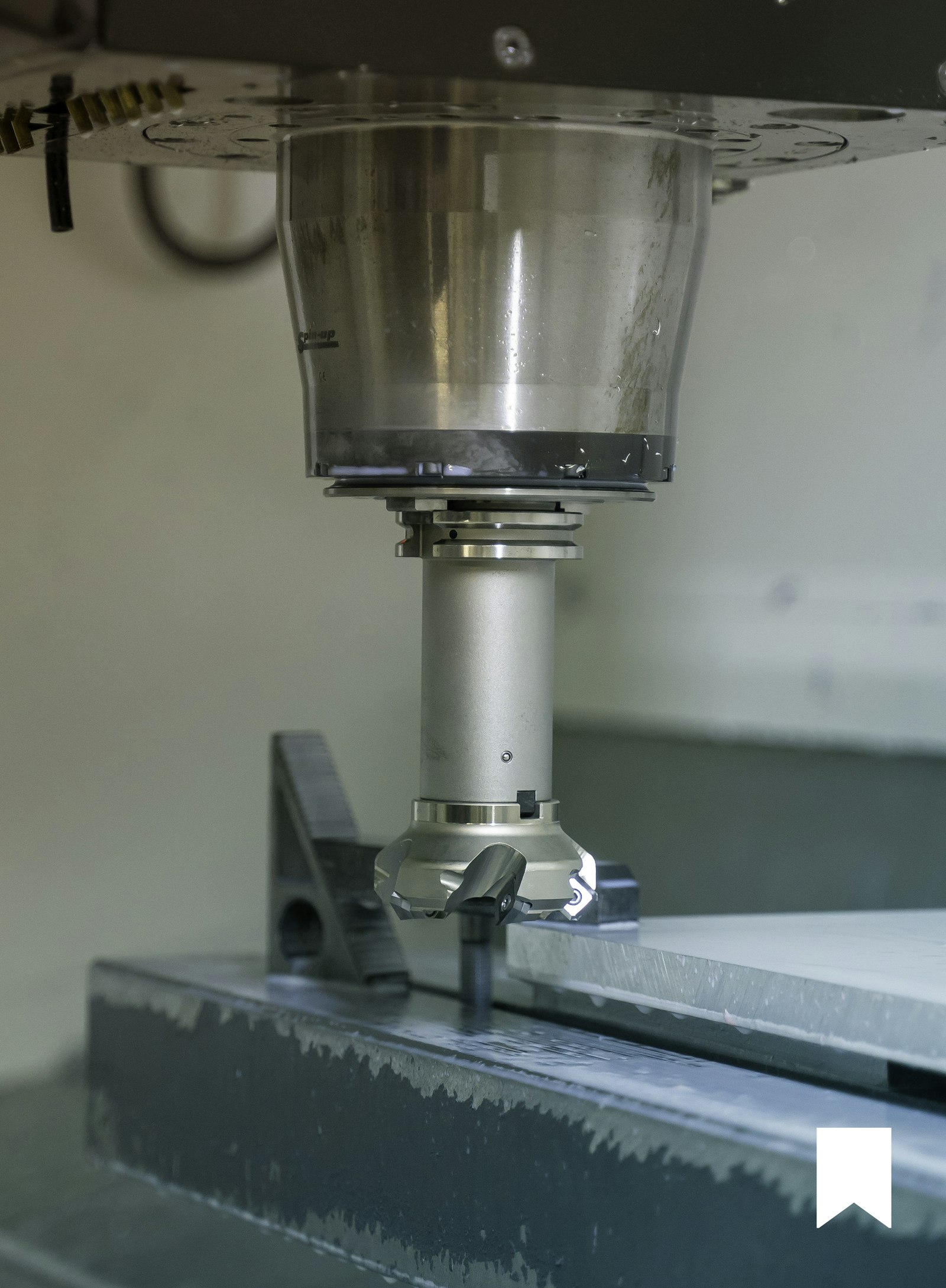

The manufacturing industry georgia employs over 600,000 people across dozens of industries. The manufacturing sectors georgia range from automotive plants near the Alabama border to textile mills of North Georgia to wire-and-cable operations scattered across the state, offering real opportunities. If you're a working adult or career changer considering technician work, sector choice matters. You'll want to match it to your interests, risk tolerance, and location. Automotive manufacturing demands speed and precision. Textiles offer stability in rural communities. Wire and cable production rewards problem-solvers who like troubleshooting electrical systems. Appliance and HVAC manufacturing pays consistently and hires steadily. This guide compares five major Georgia manufacturing sectors, the roles, pay, growth outlook, and entry paths for each.
Automotive manufacturing georgia means precision work at high volume. The sector's anchor is Kia Motors in West Point (near the Alabama border), one of the largest employers in the state. The facility runs assembly lines where technicians maintain robots, troubleshoot PLC (programmable logic controller) systems, and keep conveyor belts moving. Other automotive suppliers operate nearby, supporting engine blocks, transmissions, and electrical harnesses.
The roles vary. Some technicians spend their shifts on the production floor, monitoring equipment for failures and swapping out worn hydraulic hoses or drive belts. Others work in the maintenance shop, diagnosing why a robotic arm isn't moving smoothly or why a sensor keeps triggering false alarms. Senior technicians move into predictive maintenance, using vibration analysis and thermal imaging to spot problems before breakdowns happen. The pace is fast. Production stoppages cost thousands per minute, so you'll be expected to troubleshoot quickly and work under pressure.
Entry requirements typically include a high school diploma or GED and a willingness to complete on-the-job training. Many automotive plants value technicians who've completed certification in robotics, hydraulics, or CNC operation. The Mechatronics and Robotics Maintenance course offered through Unmudl covers the electrical and mechanical systems you'll see on automotive production floors. This exact course was built for Amazon's Career Choice program. Shifts often run 12 hours, and overtime is common during peak production cycles. With experience and additional training through Unmudl's Frontline Leadership course, you can move into supervisory or maintenance planning roles.
Salary ranges for entry-level technicians start in the mid-$40,000s, with experienced technicians reaching $65,000 to $75,000 or higher, especially in supervisory or advanced maintenance roles. The 2026 outlook remains solid. Kia continues expanding its West Point facility, and the broader trend toward electric vehicle production (EVs use more complex electrical systems than traditional engines) is creating new demand for technicians skilled in high-voltage battery systems and power electronics.
One caveat: automation is changing the nature of the work. Routine assembly tasks are disappearing. The jobs remaining are increasingly technical. That means your value as a technician comes from understanding controls, diagnostics, and systems thinking, not from repetitive manual labor. That's actually good news if you're the type who likes solving problems.
Textiles have deep roots in North Georgia. The region's rolling hills, water access, and labor availability made it an industrial center a century ago. Today, textile manufacturing in Georgia is smaller than it was in 1990, but it's not gone. Mills still operate in towns like Dalton (carpet manufacturing), Athens, and scattered across the Piedmont. Workers produce fibers, weave fabric, dye cloth, and run quality checks. The work is hands-on and methodical.
Common textile manufacturing jobs georgia include loom operator roles, where workers watch machinery for tangles or breaks and repair them quickly. Or a dyer technician, managing chemical baths and temperature controls to achieve precise color standards. Or a quality inspector, measuring thread count, checking for weaving defects, and ensuring finished goods meet customer specs. The rhythm is different from automotive. You're working with materials that don't move at 120 miles per hour. There's more room for deliberation.
Entry paths typically require a high school diploma and an apprenticeship or on-the-job training program. Certifications exist through NCCER (National Center for Construction Education and Research) and industry-specific groups, though they're less common in textiles than in automotive or electrical work. Many textile facilities hire people with no prior experience and teach the job. For entry-level opportunities and wage benchmarks in textiles, Technicians of America provides detailed occupational profiles.
Salary ranges for textile technicians start around $32,000 to $40,000 for entry-level roles and can reach $55,000 to $65,000 for senior technicians or shift supervisors. The 2026 outlook is complicated. Textile manufacturing in the U.S. has contracted significantly due to overseas competition. However, nearshoring (companies moving production back from overseas to reduce supply-chain risk) and growing demand for specialty textiles (performance fabrics for athletic wear, medical textiles, technical geotextiles) are creating pockets of new hiring. North Georgia's textile hubs are stable but not growing as fast as automotive or wire-and-cable sectors.
Textile work suits people who like routine, clear quality standards, and small-town communities. Mills tend to be tight-knit employers where you know everyone on your shift. The pace is predictable. But be honest about whether you're interested in textiles because of genuine curiosity about the material or because it's the only option nearby. If the latter, look at what other sectors are hiring in your region, you might find a better long-term fit.
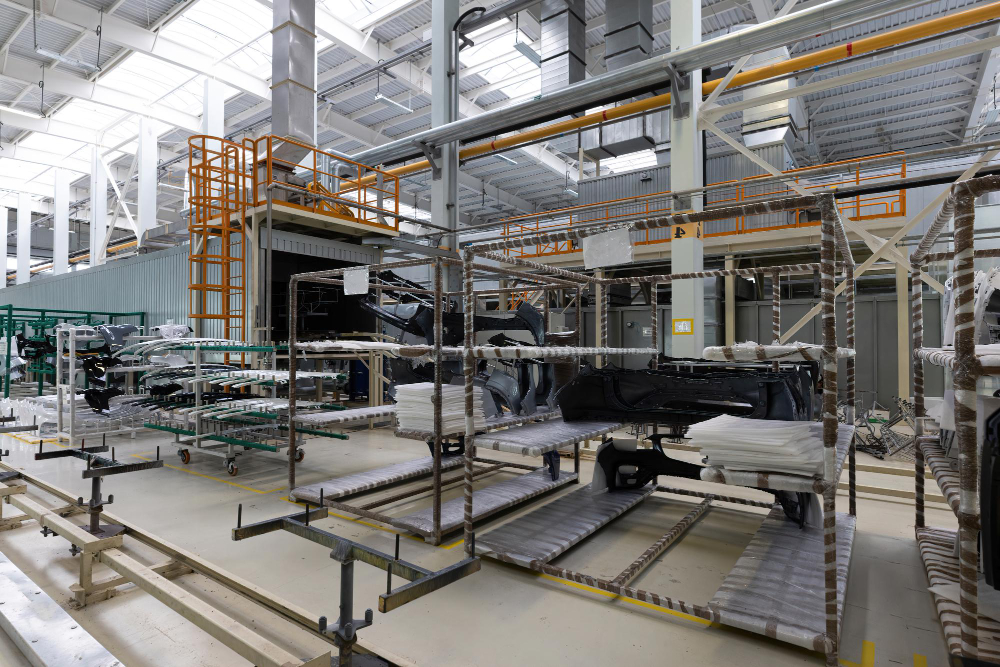
Wire cable manufacturing georgia represents some of Georgia's most sophisticated technical work. Southwire Company, headquartered in Carrollton (northwest of Atlanta), is one of the largest wire manufacturers in North America. But beyond Southwire, dozens of smaller electrical manufacturers operate across Georgia, producing everything from automotive wiring harnesses to industrial control cables to power distribution systems for data centers.
The work is electrical and diagnostic. A technician might set up and operate extrusion machinery that coats copper wire with insulation, or troubleshoot an automated cable-twisting machine that's producing out-of-spec products, or test finished cables for electrical continuity and insulation resistance. You'll work with test equipment, computer controls, and machinery that demands precision. One small error, wrong temperature on the extruder, slight variance in insulation thickness, ruins thousands of feet of cable.
Entry requirements include a high school diploma and technical training in electrical systems or industrial maintenance. Many employers prefer candidates with EPA 608 certification (for handling refrigerants in cooling systems) or NATE certification (for HVAC and electrical systems). Some hire people with no certifications and provide on-the-job training. The Foundations of Automated Equipment Maintenance course through Unmudl covers PLC systems, pneumatics, and troubleshooting methods that directly apply to wire-and-cable environments.
Salary ranges for entry-level technicians start around $40,000 to $45,000, with experienced technicians reaching $65,000 to $80,000, especially in senior maintenance or process engineering roles. Wire and cable manufacturing is growing. Demand for electrical infrastructure is increasing globally, and supply-chain reshoring is bringing manufacturing back to North America. Southwire is actively hiring, and the sector's outlook through 2034 remains positive.
Wire-and-cable work appeals to people who enjoy electrical systems and problem-solving. You're not watching a repetitive production line; you're diagnosing why a machine isn't producing the right output and fixing it. That means intellectual engagement and variety in your day.

Appliance manufacturing georgia is distributed across multiple facilities throughout the state. Companies manufacture refrigerators, dishwashers, washers, and dryers at multiple facilities. HVAC equipment makers produce compressors, condensers, and control systems. These sectors are less concentrated than automotive but more stable than textiles.
A technician in appliance manufacturing might assemble components, test finished units on a test bench, or troubleshoot why a refrigerator isn't holding temperature correctly. In HVAC manufacturing, you might work on compressor testing, welding refrigerant lines, or calibrating pressure controls. The work combines mechanical assembly with electrical systems and, often, refrigeration knowledge.
Entry requirements vary. Some roles require only a high school diploma and on-the-job training. Others prefer HVAC certification or EPA 608 (for refrigerant handling). The barrier to entry is generally lower than automotive or wire-and-cable. Many appliance and HVAC manufacturers operate apprenticeship programs and actively recruit people with no prior experience.
Salary ranges start around $35,000 to $45,000 for entry-level technicians and can reach $60,000 to $70,000 with experience. HVAC manufacturing is particularly stable. People need heating and cooling systems everywhere, and replacement demand is consistent. For a regional view of HVAC and electrical sector growth in Georgia, see Manufacturing Georgia.
Appliance and HVAC work suits people who prefer stability and clear procedures. The job is concrete and tangible, you test a unit, it either passes or fails, and you know immediately if you've done your job well. Overtime is often available, which helps with income. The sector is less glamorous than automotive or high-tech wire-and-cable, but it's reliable.
See your technician workforce ROI
The sector you choose shapes your first 5 to 10 years. Start by identifying roles that match your interests in your geographic area, then explore training providers aligned with that sector's requirements. Browse Unmudl's courses and filter by your location and industry focus to find programs with flexible scheduling for working adults.
Georgia also hosts specialty manufacturing sectors with smaller but growing technician pipelines. Food and beverage manufacturing operates across the state, breweries in Atlanta, food processing plants in rural areas, and large distribution facilities. Pharmaceutical manufacturing is growing in Georgia. Advanced manufacturing sectors like semiconductors and precision optics are emerging in specific regions.
Food processing technicians maintain mixers, pasteurizers, filling machines, and packaging lines. The work is similar to automotive in some ways (machine troubleshooting, preventive maintenance) but with strict food-safety protocols and sanitation requirements. OSHA and FDA regulations govern the environment. Salary ranges start around $38,000 to $48,000 and can reach $60,000 to $70,000 with experience.
Pharmaceutical manufacturing demands the highest precision and the strictest regulatory compliance. Technicians work in controlled environments (clean rooms), operate sophisticated equipment, and follow detailed Standard Operating Procedures (SOPs, the written instructions for each task). Entry barriers are higher, many positions require formal certification or an associate degree. Salary compensation is also higher, often starting at $48,000 to $55,000 and reaching $75,000 to $85,000 or more.
Semiconductors and advanced electronics are nascent in Georgia but worth watching. As supply chains diversify away from overseas concentration, Georgia is positioning itself as a regional hub. The roles are highly technical and demand certifications in electronics, CNC operation, or advanced troubleshooting. For advanced precision work like CNC operation in pharmaceutical or semiconductor manufacturing, the Smart CNC Machinist course builds that expertise.
These sectors attract technicians who want to work in highly regulated, safety-focused environments or who are interested in emerging technology. The barrier to entry is often higher, and training requirements are more rigorous. But if you're motivated by precision work and willing to invest in formal credentials, these sectors offer strong long-term stability.
These ranges reflect entry-level technician roles in 2026. Experienced technicians and supervisors earn significantly more across all sectors. Geographic variation matters too, technicians near Atlanta command slightly higher salaries than those in rural areas, though cost of living is also higher.
Most Georgia manufacturing employers hire entry-level technicians with a high school diploma, relevant training (either on-the-job or through a formal program), and willingness to start on the floor. The timeline from deciding on a sector to being job-ready is typically four to twelve months, depending on whether you pursue an employer-designed course through Unmudl (weeks to months) or a longer community college program (two years). Many employers hire during training or offer conditional offers while you're finishing your credential.
EPA 608 certification is required only if you'll handle refrigerants directly, that's relevant for HVAC technicians and some appliance technicians. Wire-and-cable and automotive technicians rarely need it. Textile technicians typically don't. It's not a barrier to entry in most sectors, but it's a valuable add-on certification that increases your marketability and earning potential. Your employer often covers the cost if the job requires it.
Automotive and wire-and-cable manufacturing are actively hiring. Kia, Southwire, and their suppliers are expanding. Food and pharmaceutical manufacturing is growing. Textiles are stable but not expanding aggressively. The best way to confirm current openings in your area is to check job boards and reach out to manufacturers directly. Local workforce development boards (connected through Georgia's Department of Labor) can also point you to active hiring sectors.
Technicians reach $55,000 to $65,000 (a solid middle-class income) within five to seven years in most sectors if they're willing to work overtime and pursue advancement (shift lead, senior technician, maintenance supervisor). Entry-level technicians often earn less, but overtime and shift differentials can boost income significantly. Some technicians earn $70,000 to $80,000 in senior roles or management. For wage progression data by sector, Technicians of America provides detailed occupational profiles.
Absolutely. Core technician skills, troubleshooting, PLC programming, electrical systems, mechanical problem-solving, and machine operation, transfer across sectors. A technician trained in automotive can move to wire-and-cable or appliance manufacturing and apply the same diagnostic mindset. Your specific equipment knowledge is specialized, but the underlying capability is portable. That's why choosing a sector based on location, salary, and work environment matters more than worrying that the sector will disappear. Your skills are your security.
Making the right manufacturing career choice georgia starts with three key questions: (1) Where do I want to work geographically? (2) Do I prefer fast-paced production environments or steady, methodical work? (3) What salary range do I need right now, and what's my earning potential goal? Automotive offers the highest technical depth and salary growth but demands speed and precision. Textiles offer stability and community but slower growth. Wire-and-cable combines strong growth with technical interest in electrical systems. Appliances offer reliability and consistent hours. Specialty sectors offer emerging-technology work but higher entry barriers. Your answers to those three questions will narrow it significantly.
You've now seen what the types of manufacturing georgia offer: the roles, the salary ranges, the growth outlook, the entry requirements. The next step is matching your circumstances to the sector that fits. Are you in North Georgia and prefer steady work in a tight-knit mill community? Textiles might suit you. Do you want to maximize your earning potential and embrace complex technical work? Automotive or wire-and-cable offer that. Do you need to start earning quickly while completing training? Appliances or food processing might be your entry point.
The manufacturing sector you choose is important, but it's not permanent. You can train in automotive and later move to wire-and-cable. You can start in food processing and transition to advanced pharmaceuticals. Your first sector matters for location, initial salary, and skill development, but your skills, work ethic, and willingness to learn carry you forward across the industry.
If you're ready to explore specific training programs aligned with Georgia's manufacturing demand, start by identifying your sector of interest and the roles within it. Look at employers actively hiring in your area. Then connect with training providers who understand your sector's requirements. Unmudl offers courses built for the roles employers are actively hiring, so your training directly maps to manufacturer needs. Your pathway from here to your first job is months, not years.