.svg)
Your skills matter: Oil and gas, construction, and skilled trades backgrounds are real assets in manufacturing.
Faster than you think: Most career transitions take months of focused training, not years of classroom time.
Better pay and stability: Manufacturing technician roles in Georgia offer competitive wages and long-term job security.
Getting started in Georgia: Manufacturing Georgia™ shows you exactly where technician jobs are hiring and helps you qualify for them.
If you've worked in oil and gas, construction, or another skilled trade, you already have valuable experience. A move to manufacturing can mean better pay, more stable work, and room to grow. Hundreds of Georgia technicians have made this switch successfully. They found that many of their hard-earned skills transfer directly to factory floors.
The transition manufacturing technician role is increasingly accessible to people from non-traditional backgrounds. Whether you're exploring an oil gas to manufacturing career, planning a move from construction to manufacturing georgia, or simply seeking better opportunities, this guide shows you the realistic path forward. You'll learn how your background qualifies you, what new skills you might need, and how Unmudl and Manufacturing Georgia™ can help you make this transition. Whether you want more consistent work, higher wages, or a role that keeps pace with technology, manufacturing offers real opportunities.
Manufacturing technicians maintain, operate, and repair industrial equipment and machinery. They work in factories, plants, and manufacturing facilities across Georgia's automotive, aerospace, food processing, and advanced manufacturing sectors. The role demands technical knowledge, safety awareness, and hands-on problem-solving, exactly the skills you've already developed in your current trade.
The transferable skills manufacturing employers seek aren't abstract concepts. They're the practical abilities you use every day in your current work. If you're in oil and gas, you work around heavy equipment and understand safety protocols. If you're in construction, you manage tight schedules, solve problems on the fly, and work with your hands. Maintenance workers diagnose and fix equipment issues. All these strengths transfer directly to factory floors.
Manufacturers need technicians who understand hands-on work. They need people who take safety seriously and stay calm when something breaks. They need problem-solvers. These are exactly the qualities people from skilled trades bring.
Here's what transfers from your current trade:
You also bring work maturity. You show up on time. You take feedback seriously. You understand that reliability matters. Manufacturing Georgia™ recognizes these strengths when matching technicians to jobs. The question isn't whether your skills matter, it's which manufacturing role fits what you already do well.
Many skilled trades workers find their biggest advantage is their troubleshooting mindset. Manufacturers need people who identify problems, think through causes, and fix issues without constant supervision. If you've done this in construction or oil and gas, you have exactly what factory managers look for.
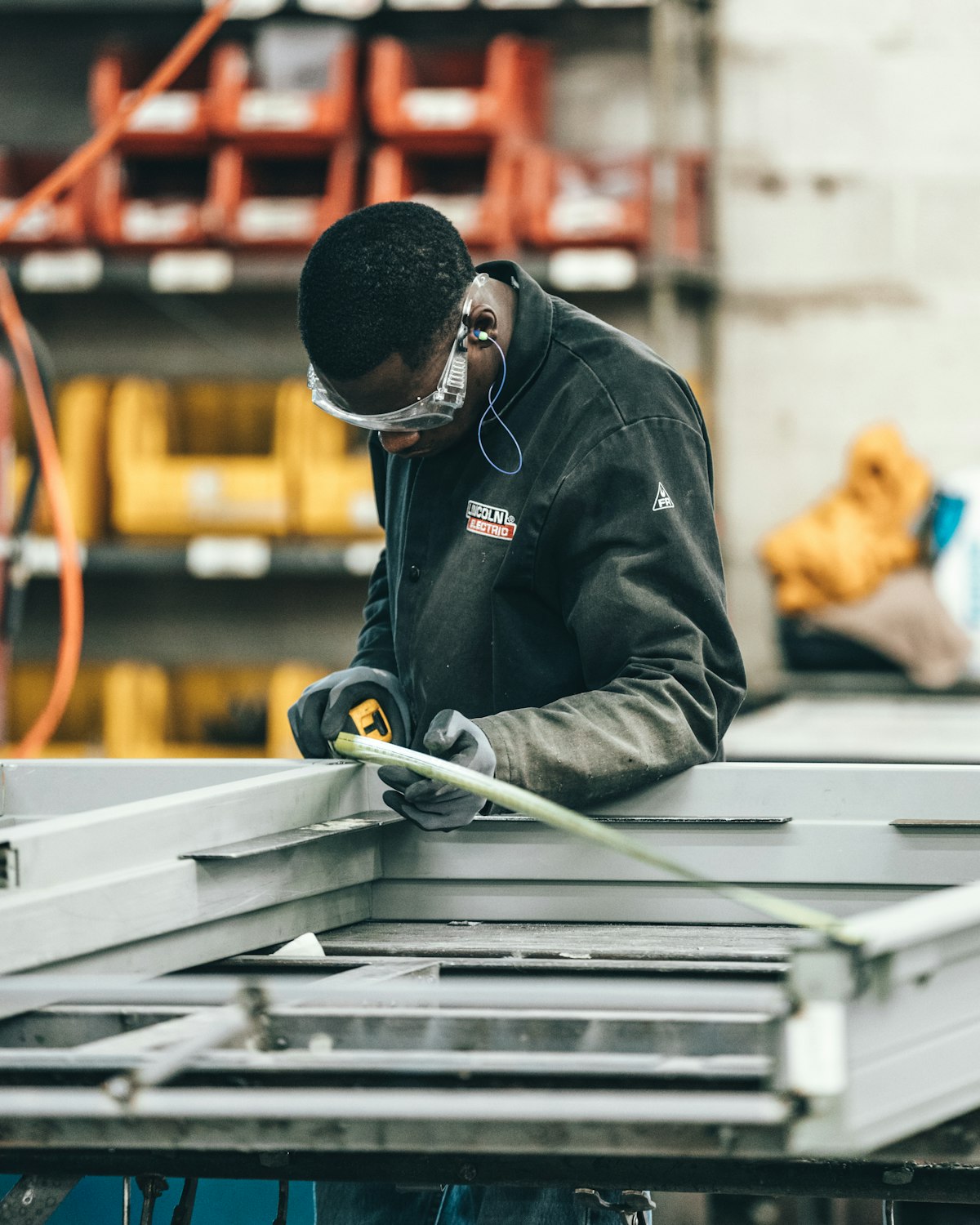
When you're planning a skilled trades transition into manufacturing, you're entering a sector that actively welcomes career changers with strong foundations. Manufacturing businesses understand that a person with 5 or 10 years in construction, maintenance, or oil and gas brings more practical knowledge than a fresh graduate with theoretical education only.
The transition process itself is more straightforward than moving into most new careers. You're not learning from zero. You're adding manufacturing-specific systems and equipment knowledge to a base of real-world work experience. This combination makes you attractive to employers.
Consider the actual pathway. A skilled trades transition means:
This is very different from someone entering the workforce with no experience. Employers prefer hiring experienced tradespeople for manufacturing roles because they already understand how real work operates.
When you transition from construction or oil and gas to manufacturing in Georgia, you're not starting from zero. You're filling in a few specific gaps.
Most crossover jobs manufacturing employers post require industry-specific equipment knowledge. You might work with Computer Numerical Control (CNC) machines, which cut and shape metal automatically. You might program Programmable Logic Controllers (PLCs), small computers that control factory equipment. You might specialize in hydraulics, pneumatics (systems that use compressed air), or electrical systems. Here's what matters: these aren't impossible to learn if you have a hands-on foundation.
Entry-level training programs teach these skills in weeks or a few months, not years. Unmudl's short-term manufacturing courses are built for career transitions like yours. For example, Unmudl's Mechatronics and Robotics Maintenance program, created with Amazon and Intel, teaches how modern factories work. You'll learn automation, robotics, and equipment maintenance that powers today's manufacturing.
Some roles need more specialized training. A career change to technician role in electrical systems might require focused coursework in electrical fundamentals and plant systems. Moving from general construction might mean adding a course in hydraulic systems or PLC programming. The key insight: targeted training beats lengthy degree programs every time. You can interview for jobs in months, not years.
Programs like Unmudl stand out because their instructors understand your situation. They teach people switching careers. They respect the skills you already have while filling knowledge gaps. That's very different from starting your career from scratch. You bring context. You understand why these systems matter in a real facility. You see how equipment connects to actual production.
Different backgrounds lead to different manufacturing paths. Here's how several skilled trades translate:
From Maintenance Background: If you've worked in building maintenance, HVAC, or equipment maintenance, you're already halfway there. Maintenance technician transition skills include equipment diagnostics, preventive care, and systems thinking. A manufacturing maintenance technician role requires learning factory-specific systems (usually 2-4 months of training), then you're ready.
From Oil and Gas: Oil gas to manufacturing career transitions are common because both sectors demand safety consciousness, equipment operation, and high-reliability mindsets. Gas processing plants share similarities with food processing and chemical manufacturing. The equipment differs, but the principles of operation, safety protocols, and troubleshooting approaches transfer well.
From Construction: Construction to manufacturing georgia transitions are increasingly common as the state's manufacturing sector grows. Construction workers understand physical coordination, scheduling, working in teams, and using hand tools alongside powered equipment. These translate directly to manufacturing floors.
From Automotive Service: Mechanics and automotive technicians often transition into manufacturing because they understand engines, hydraulics, electrical systems, and diagnostic procedures already.
Each path has a slightly different training focus, but the basic principle remains: your foundation is solid, you need manufacturing-specific knowledge, and that knowledge takes months to acquire, not years.
Georgia is a major manufacturing hub. The state leads in automotive production, aerospace, food processing, and advanced manufacturing (factories using robotics and automation). This growth means jobs, and lots of them.
Manufacturing technician positions in Georgia are growing rapidly. Entry-level technicians earn $40,000 to $50,000 annually. Experienced technicians with specialized skills earn $60,000 to $80,000 or more. Some highly specialized roles in aerospace or semiconductor manufacturing reach six figures. Job security is real. Manufacturing isn't temporary work. These are stable, long-term roles with health insurance, retirement benefits, and paid time off.
Georgia has one of the strongest manufacturing economies in the Southeast. The state has invested heavily in workforce development, recognizing that skilled technician shortages limit growth. Employers across the state struggle to fill skilled technician roles. This works in your favor. If you have the right training and show you're ready to work, you'll find opportunities. Manufacturing Georgia™ tracks where hiring is happening and shows specific roles and wages in your region. You know exactly what jobs are available and what they pay.
The demand for skilled workers is urgent. Companies invest in employees who show readiness to learn and grow. If you bring a trades background plus manufacturing-specific training, employers see you as a strong hire. Many manufacturers prefer hiring someone with hands-on experience who needs technical training over someone with no work background. They know you understand workplace culture, safety, and accountability already.
Why is demand so high? Modern manufacturing requires reliability. Equipment downtime costs thousands per hour. Facilities need technicians who won't panic, who think through problems systematically, and who take equipment seriously. These are exactly the attitudes skilled trades workers bring.
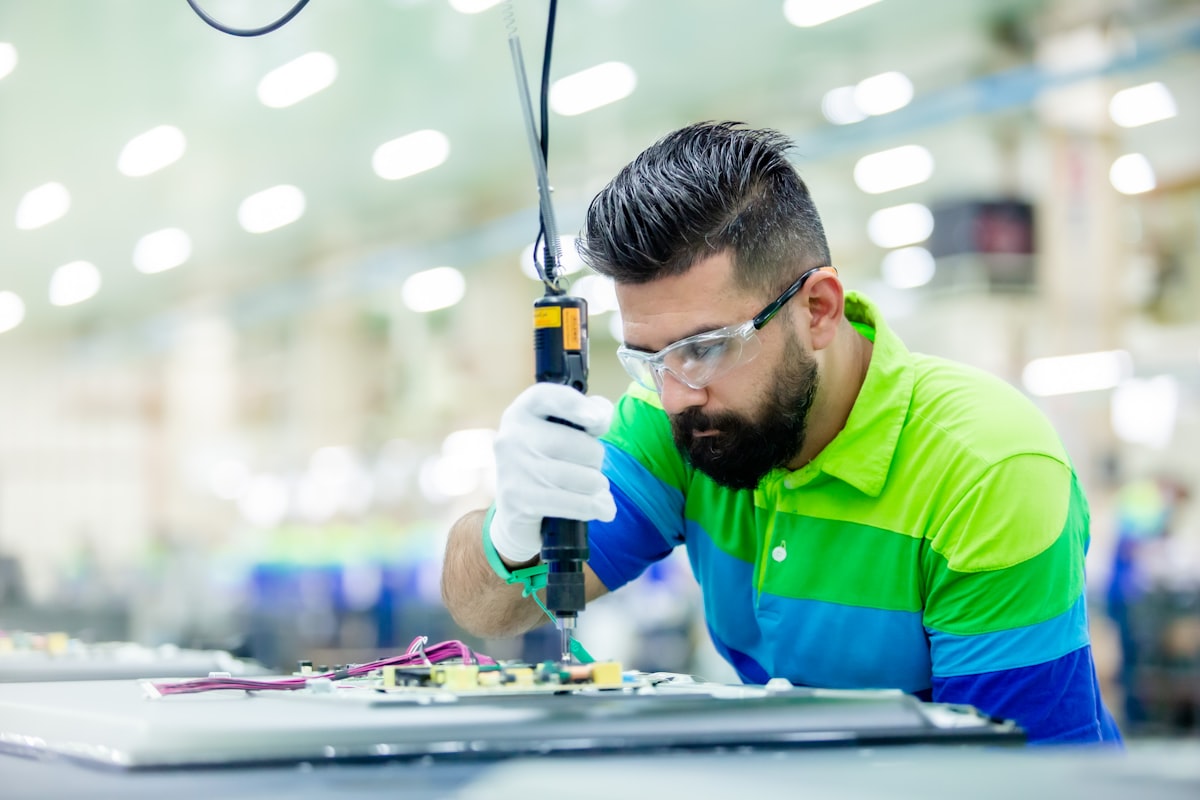
Manufacturing facilities in Georgia look for specific qualities when hiring technicians:
If you score well on most of these, you're a strong candidate. The technical knowledge gaps are the easiest part to fix.
A skilled trades transition to manufacturing requires a clear roadmap. Follow this approach:
Step 1: Assess your current skills. Write down everything you do in your current role. Operating equipment? Troubleshooting? Safety protocols? Team leadership? Documentation? Be specific about systems or equipment you've worked with. List your certifications, licenses, and formal training. Note any safety awards or recognition you've received. This becomes your baseline.
Step 2: Explore manufacturing roles. What manufacturing interests you? Visit Unmudl's advanced manufacturing page to see available paths. Some people focus on equipment maintenance. Others pursue quality control or production supervision. Some specialize in CNC or robotics. Spend time on Manufacturing Georgia™ looking at actual job postings. See what skills they're asking for. This research guides your training choice.
Step 3: Identify your training gaps. Once you've chosen a target role, figure out what you need to learn. Most crossover jobs manufacturing require specific technical knowledge: maybe CNC operation, maybe PLC programming, maybe electrical systems or hydraulics. Most crossover skills are taught in short, focused courses. You're not returning to school for years. You're adding specific knowledge to your foundation. Get a quote from 2-3 training providers so you understand cost and timeline.
Step 4: Get trained. Find manufacturing programs that fit your timeline and budget. Unmudl offers financial assistance to help students train. Some programs are covered through employer partnerships. Check whether your current employer offers tuition assistance or training benefits. Many do. Some employees find that their current job will pay for training if they commit to staying 12 months after completion.
Step 5: Connect with Georgia employers. Use Manufacturing Georgia™ and local chamber of commerce resources to find job openings. Talk directly to manufacturers in your area. Many will sponsor training if they see the right fit. Some employers even provide on-the-job training for candidates with solid trade experience. A phone call to HR can sometimes lead to training partnerships.
Step 6: Make your move. Apply to roles matching your skills plus new training. Be prepared to explain why you're switching (more stability, better pay, growth potential) and what you bring from your experience. Employers respect the journey. You're not hiding your background, you're building on it. Write a resume that highlights your transferable skills manufacturing knowledge alongside your new technical training.
Most people completing a transition manufacturing technician program take 3 to 6 months. You might start interviewing while finishing your last course. Longer certifications take 6 to 12 months. Full degree programs take years, but many manufacturing roles don't require a degree, only specific skills and hands-on training.
The actual timeline depends on several factors:
Your starting skill level and background
How intensively you study (full-time vs. part-time)
Which specific manufacturing role you're targeting
Your previous equipment experience
Whether you're working while training
Most people find that 4 months is realistic for a solid training program that puts you in position to compete for entry-level manufacturing technician roles.
An oil gas to manufacturing career move gains credibility with employers because they value skilled trades backgrounds as solid foundations. They want to see that you've worked in safety-conscious environments, learned to operate complex equipment, and collaborated as part of a team. Highlight these strengths on your resume using language like "equipment operation," "troubleshooting," "safety protocols," and "team coordination." Hiring managers will connect your experience to manufacturing needs.
In fact, many manufacturers view a construction or oil and gas background as an asset rather than something to overcome. You've already proven you can handle real-world work. You understand workplace dynamics. You've likely dealt with difficult working conditions and still showed up reliably.
What you want to avoid: Don't frame your switch as "I'm desperate for change." Frame it as "I've mastered construction and I'm ready for the next challenge in manufacturing where I can apply my skills with technology."
A career change to technician role typically yields 10 to 20 percent higher pay than entry-level construction or oil and gas positions, depending on your current role and location in Georgia. Experienced technicians earn significantly more. Pay grows as you specialize. Someone with CNC or PLC skills typically earns more than a general maintenance technician.
Here's a realistic picture:
Entry-level manufacturing technician: $40,000 - $50,000
After 2 years experience: $50,000 - $65,000
With specialized skills (CNC, PLC, electrical): $60,000 - $80,000
Supervisory roles: $75,000 - $100,000+
Compare this to:
Construction laborer: $35,000 - $45,000
Oil and gas field hand: $40,000 - $55,000
General maintenance worker: $38,000 - $48,000
The salary trajectory in manufacturing is also steeper. After your first year, your earning potential accelerates as you gain experience and specialization. That's different from many construction or oil and gas roles, where pay stays relatively flat.
Yes. Many programs, including Unmudl courses, fit around your current schedule. Take classes evenings and weekends. Some employers offer paid training time or tuition reimbursement, making the transition easier. Talk to your supervisor or HR department about what's available to you.
The part-time approach takes longer (maybe 6-9 months instead of 3-4 months), but it lets you keep your income and benefits while training. That reduces financial stress during your transition. Many successful career changers do exactly this: train nights and weekends for 6 months while working, then transition to their new manufacturing role.
Some employers will even hire you into a part-time training role where you work production part-time while attending training part-time. This gives you immediate manufacturing experience while you're learning.
Formal certifications help, but they're not required. What matters more to manufacturing employers is your demonstrated ability to work with equipment, solve problems, and follow safety procedure. If you've been working in your field for several years, you have practical knowledge that exceeds what a certification alone would show.
Mention specific equipment you've operated, systems you've worked on, and problems you've solved. Talk about your safety record. These things matter more than a piece of paper. That said, if you can get a certification in your current field relatively quickly, it only helps your resume.
Most manufacturing employers require either a high school diploma or GED. Some larger facilities are more flexible, especially if you bring several years of solid work experience. If you don't have a diploma or GED, getting one should be your first step. Unmudl and Manufacturing Georgia™ both can point you toward GED programs if you need one.
You've built real skills in your current trade. You understand work, reliability, and how to deliver results. Manufacturing needs people like you. Your experience is the foundation. The transition itself is the next chapter.
The next step is finding which manufacturing path matches your strengths best. Unmudl helps you find the right training program. Manufacturing Georgia™ shows where jobs are hiring in your region and what they pay. Together, they remove guesswork from your transition. You're not starting over. You're building on what you already know.
Take 20 minutes this week to explore manufacturing technician openings in your area through Manufacturing Georgia™ or Unmudl. See what wages look like. Check out a training program. Talk to someone who's already made the switch. Once you see how your experience and new training align, you'll realize this transition is a smart next step for your career.