
Choosing between an advanced manufacturing technician role and a CNC operator position isn't just about picking a job title. It's about understanding where your skills lead, what employers need most, and how much you'll earn as you progress. If you're weighing these two paths in 2026, the differences matter more than you might think.
An advanced manufacturing technician typically manages a broader range of equipment and systems. They work with CNC machines, 3D printers, robotics, and inspection tools. CNC operators specialize in running Computer Numerical Control (CNC) machines, which cut and shape materials using programmed instructions. Both roles are critical in modern factories, but their career trajectories, earning potential, and skill requirements differ in important ways. The question isn't which role is better overall. The question is which specialization aligns with how you like to work and where you want your career to go. This guide breaks down what each role really does, how the salaries compare, and how to build your path in advanced manufacturing today.
Both roles are in demand across Georgia, and both can lead to strong, stable careers. The table below sums up how they differ day to day, how fast you can get hired, and where each path tends to lead. (Figures throughout this guide are described qualitatively; confirm current local salary ranges against sources such as the U.S. Bureau of Labor Statistics before relying on them.)
| Factor | CNC Operator | Advanced Manufacturing Technician |
|---|---|---|
| Core focus | Deep mastery of one machine type — precision cutting, milling, and shaping | A broad range of systems — CNC machines, 3D printers, robotics, and inspection tools |
| Day to day | Loading material, machine setup, monitoring the cut, and checking finished parts | Setup, quality monitoring, routine maintenance, troubleshooting, and documentation |
| Typical entry time | Faster, focused training — weeks to a few months | Longer initial training across multiple systems |
| Career progression | Into CNC programming, setup and troubleshooting, or lead operator roles | Into predictive maintenance, engineering support, or supervisory and management roles |
| Pay drivers | Programming skills plus specialized, high-precision industries such as aerospace and medical devices | Breadth of certifications, specialization, and moving into supervision |
| Best for | People who prefer deep expertise in one craft | People who prefer variety, flexibility, and a path toward leadership |
An advanced manufacturing technician is a generalist in a modern factory. They set up equipment, monitor production quality, perform routine maintenance, troubleshoot when machines fail, and document results. This variety appeals to people who enjoy solving different problems each day.
They might spend Monday programming a CNC lathe. Tuesday might be calibrating a 3D printer. Wednesday, they replace a bearing on a robotic arm. Thursday, they inspect parts for quality. This rotation keeps the work fresh.
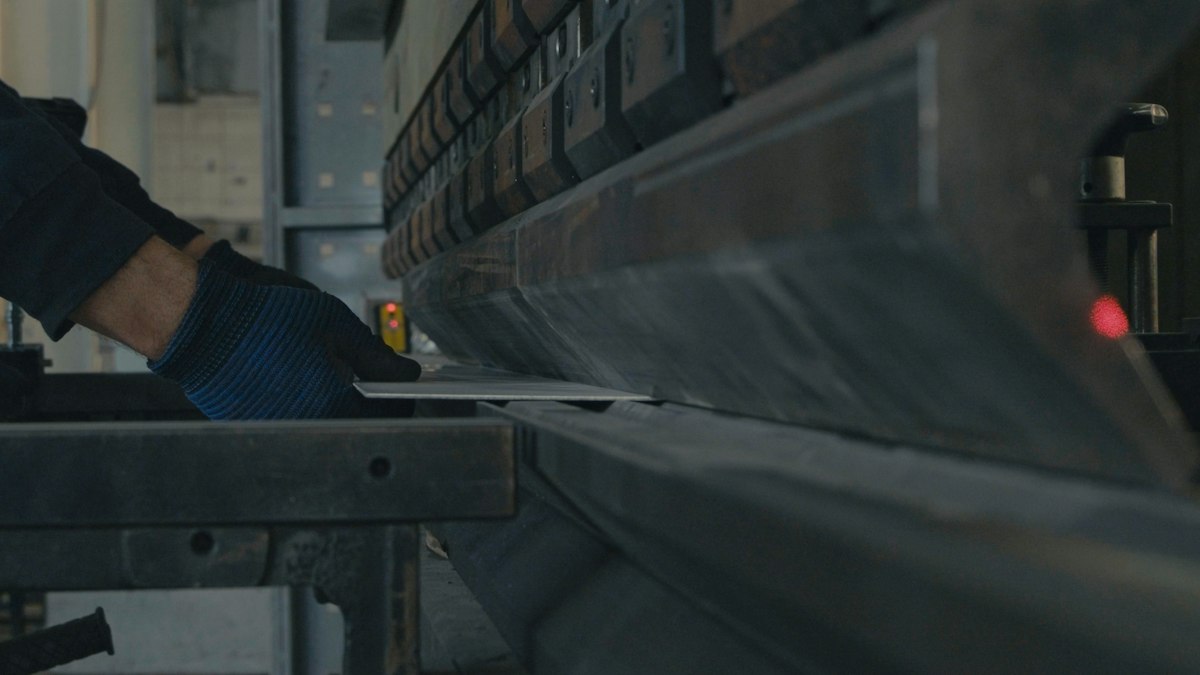
Advanced manufacturing technicians often earn credentials in multiple areas. They might hold certifications in CNC operations, mechatronics (the combination of mechanical systems and electronic controls), hydraulics, pneumatics (air-powered systems), electrical basics, or quality inspection. This breadth makes them valuable when factories need flexibility and cross-functional support.
The role requires strong problem-solving skills, comfort with both manual and digital tools, and the ability to read technical drawings and interpret production data. Many advanced manufacturing technicians move toward supervisory roles. Others specialize in areas like predictive maintenance, which uses sensors to predict equipment failures before they happen. This pathway often leads to higher earning potential as you move up. Advanced technicians might also transition into roles like manufacturing engineering support, where they work with engineers to improve processes and solve complex production problems. For workers wanting to build this technical foundation, training programs in advanced manufacturing and mechatronics help you enter the field and progress quickly.
The appeal of the advanced manufacturing path is clear: flexibility. If a factory closes one production line and opens another using different machines, an advanced technician might stay in the same company. A specialist CNC operator might need retraining or might need to find a new employer. That flexibility is valuable over a 20 or 30-year career.
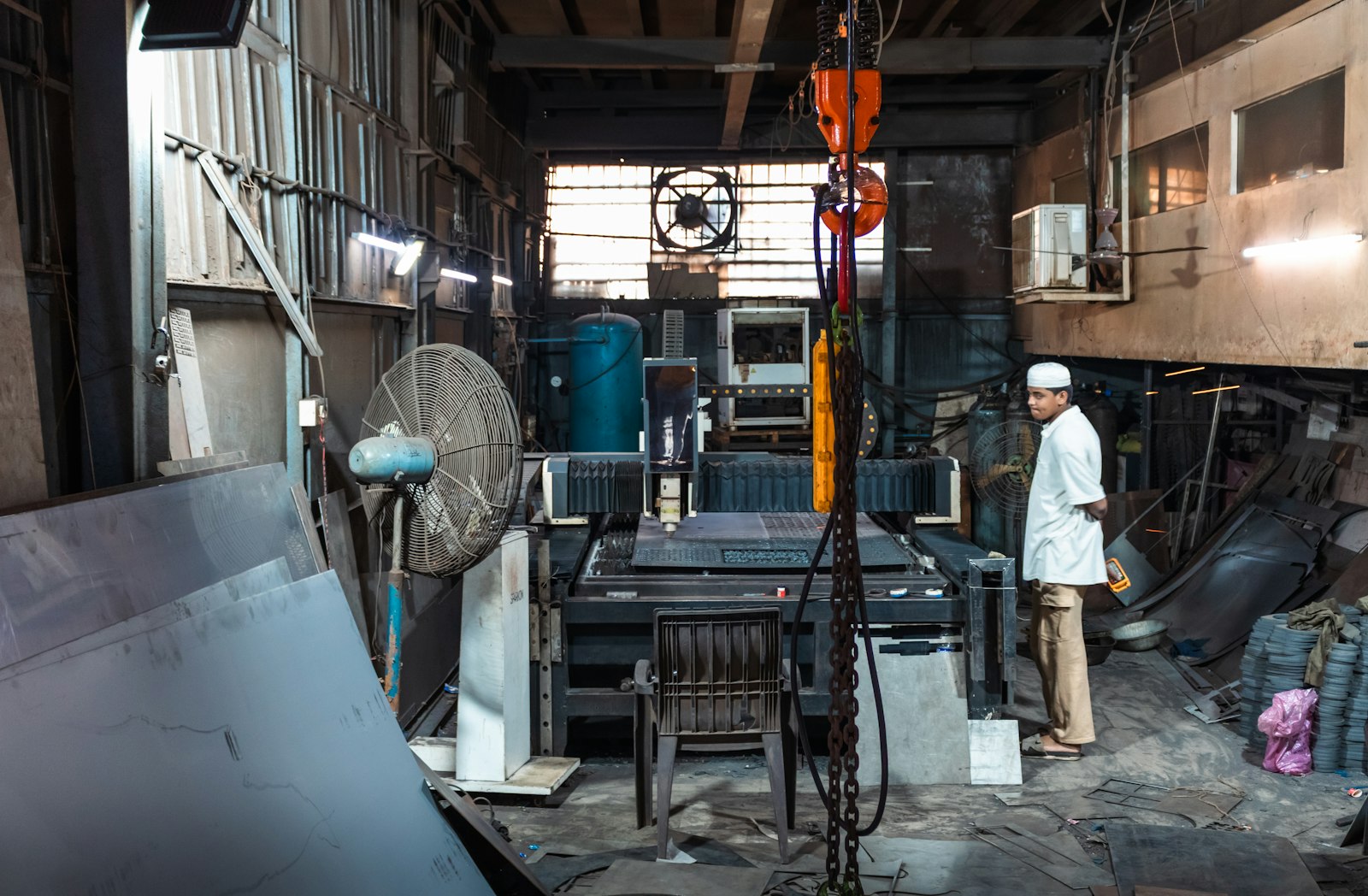
A CNC operator runs machines that follow programmed instructions to cut, mill, or shape metal, plastic, or other materials with extreme precision. The operator loads material, sets up the machine, monitors the process to catch problems early, and removes the finished part. It's detail-oriented work that demands accuracy, focus, and steady hands.
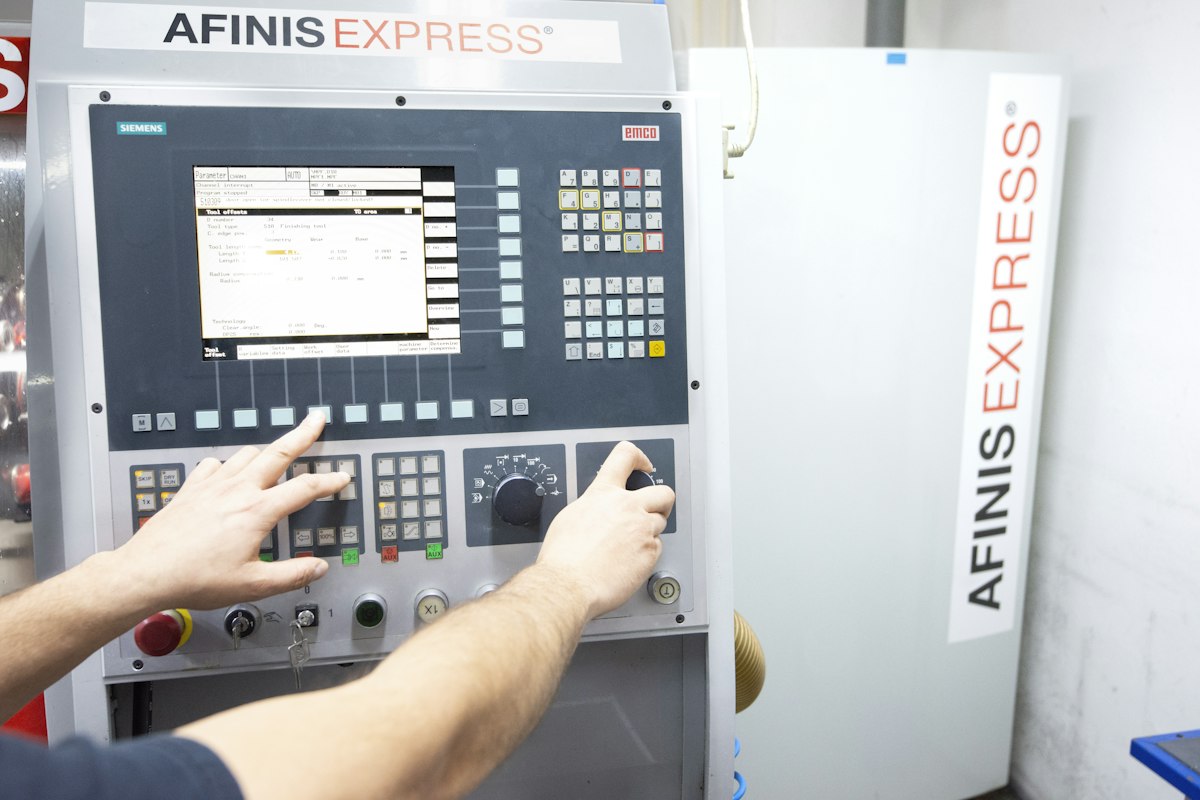
Many CNC operators eventually transition into CNC programming (writing the instructions that machines follow) or quality control roles. Some move into setup and troubleshooting positions, roles that pay more because they require deeper understanding of how machines work. CNC operators who pursue additional training in programming often see significant salary increases. Programming knowledge, combined with hands-on operating experience, makes someone incredibly valuable to manufacturers.
The CNC path is attractive if you prefer focusing deeply on one machine type and mastering it completely. Some operators specialize in specific materials or industries, like aerospace or medical device manufacturing. This specialization can lead to higher pay because specialized employers pay premiums for expertise. A CNC operator who specializes in aircraft part production might earn more than a generalist working on consumer goods.
The role is more specialized than advanced manufacturing, which is both strength and limitation. The strength: deep expertise in a single machine type makes you highly valuable in industries that need precision. The limitation: if a factory wants to move you to manage different equipment, you might need retraining or might be blocked from promotions. However, this narrower focus is exactly what some people want. If you enjoy mastery and deep expertise over variety, this path suits you. Many CNC operators are proud of their precision work and the craft of their specialization. Learn more about CNC opportunities and manufacturing career paths in your region.
Both roles offer solid earning potential in states like Georgia, where manufacturing demand remains strong. The salary question is complex because it depends on experience, location, industry, employer size, and local demand.
A CNC operator in Georgia typically earns in a range where experience and certifications matter significantly. Entry-level CNC operators often earn less than their advanced manufacturing technician counterparts because the role is narrower and might require less initial breadth of knowledge. However, CNC operators who move into programming or setup roles frequently earn more than general advanced manufacturing technicians because they've developed rare, high-value expertise. A CNC programmer working in aerospace, for example, often earns more than an advanced technician doing general manufacturing support work.
An advanced manufacturing technician's salary often starts higher than a basic CNC operator's because the role demands broader knowledge from the start. Employers pay for versatility. But the ceiling varies significantly. If a technician stays in a general role without specializing, salary growth slows over time. If they specialize, move into predictive maintenance, or move into supervision, earning potential increases substantially. Some advanced technicians with management skills and years of experience earn well into six-figure ranges, managing production teams or entire facilities.
The highest-paid roles in this field typically go to people who combine multiple skills. Someone who's a CNC operator AND a programmer AND comfortable with robotics and quality inspection earns more than someone in just one specialty. That combination is rare, which is why employers pay for it. Location matters too. Georgia manufacturing hubs like those in Atlanta's northern suburbs near Marietta, the Savannah area, and northwestern regions tend to pay competitively for both roles because they compete with other states for talent. Industry also drives differences significantly. Aerospace manufacturers, medical device makers, and automotive suppliers competing for high precision often pay more than general contract manufacturers. A CNC operator in an aerospace shop typically earns more than one in a general job shop.
The most important takeaway: don't choose based on starting salary alone. Choose based on where you want to grow. If you prefer deep expertise and want to move into programming, start as a CNC operator and specialize. If you like variety and want to move toward leadership and facility management, the advanced manufacturing path might suit you better. The earning potential in both paths is real, but it comes from building expertise, earning relevant certifications, and gaining experience over time. Both paths lead to careers where skilled technicians are paid well because they're hard to replace.
Your next step depends on your learning style, career goals, and what your local job market needs right now. Georgia's manufacturing communities offer strong hiring for both specializations, so your choice comes down to fit rather than opportunity.
Faster entry, deep specialization in one machine type.
Broader training, more directions to grow.
Starting as a CNC Operator: This path works well if you want focused training and faster initial entry. CNC operator programs typically take weeks to months. You learn machine setup, operation, safety protocols, basic troubleshooting, and how to read blueprints and programs. From there, you can specialize. Some operators move into CNC programming (a natural progression that often includes additional training ranging from weeks to several months). Others transition into setup and maintenance roles that require even deeper machine knowledge. A few pursue supervisory positions managing other operators. The key is building expertise incrementally. Each new skill or certification makes you more valuable and increases earning potential. A CNC operator might spend five years operating, then move into programming, then supervise programmers. That progression leads to substantially higher earnings.
Starting as an Advanced Manufacturing Technician: This broader path takes longer to master initially but opens more doors. You'll train in multiple systems, learning to work with different machine types, electrical controls, hydraulic systems, and often quality inspection. The flexibility is valuable. As your factory's needs change, so can your role. Many advanced manufacturing technicians eventually move into specialized roles that pay very well, like predictive maintenance specialists (who use data and sensors to prevent equipment breakdowns) or manufacturing engineers (positions that often require additional credentials but build on technician experience). Some become plant maintenance managers or operations supervisors. The technical foundation you build as an advanced technician helps you move in multiple career directions.
Combining Both Paths: The highest earners often combine specializations. A CNC operator with mechatronics knowledge can move into roles that require both machine expertise and understanding of electrical and hydraulic systems. That combination is especially valuable in factories with complex, integrated production lines. An advanced manufacturing technician with deep CNC expertise becomes an asset for employers needing both versatility and precision. Many people in 2026 start in one specialty, then add training in another, building a unique skill combination that makes them indispensable. This strategy takes more years upfront but often leads to the highest earning potential.
Georgia's strong manufacturing base means employers actively hire both specializations. Demand is highest in regions with aerospace suppliers (especially near Atlanta), automotive parts makers, medical device manufacturers, and precision machine shops. If you're considering entry into either role, research what local employers are hiring right now. Check job boards, reach out to manufacturers directly, and ask about entry requirements. Unmudl offers training pathways in both CNC operations and broader advanced manufacturing fields, helping you build the exact skills your region's employers need.
A CNC operator runs the machine and monitors output quality. A CNC programmer writes the instructions that tell the machine what to do — the movements, speeds, and tool changes needed to create a part. Programming typically pays more because fewer people have that skill. Many operators transition into programming roles, since they understand machines deeply and what works in practice.
Certifications aren't required to start but boost hiring prospects and earning potential. Common ones include CNC machinist credentials, quality inspection certifications, and mechatronics credentials. Many employers prefer or require at least one for entry. Some manufacturers run their own training programs. Timeline varies from weeks to several months depending on the credential.
Both roles are in demand in Georgia's manufacturing centers. CNC operators are needed consistently because precision cutting is core to many industries. Advanced manufacturing technicians are increasingly sought after as factories adopt automation and complex equipment. Check local manufacturing job boards, state employment sites, and company career pages to see which specialization your area needs most right now.
Yes, with additional training. If you're a CNC operator moving to a broader technician role, you'd train in other machines and systems. If you're a technician wanting to specialize in CNC, you'd deepen your CNC knowledge. Skills overlap enough to speed the transition, but you'll typically need courses or certifications to prove competency in your new specialization.
The choice between an advanced manufacturing technician career and a CNC operator position doesn't have a single right answer. Both paths lead to solid careers, good earning potential, and job security in 2026. The right choice depends on whether you want to become a specialist or a generalist, how quickly you want to earn, what your local job market needs, and what kind of work energizes you each day.
If you're ready to explore either path, start by researching what employers in your area are hiring. Look at the skills they list in job postings and the salary ranges they offer. Talk to people working in both roles if you can. Ask them what they like about their work, what frustrated them early on, and where they see the role going. Then consider which specialization excites you more. Do you want to master one machine deeply, or learn many systems? Are you driven by deep expertise or by variety and flexibility? Are you interested in supervision and management, or in staying hands-on with equipment?
The good news is that you don't have to choose perfectly right now. Many training programs in advanced manufacturing introduce both specializations, letting you try before specializing further. You can start broad and narrow down, or start focused and expand later. If you're ready to build your foundation or deepen existing skills, Unmudl offers flexible training options in CNC operations, advanced manufacturing, and related fields designed to fit your schedule and goals.