
.svg)
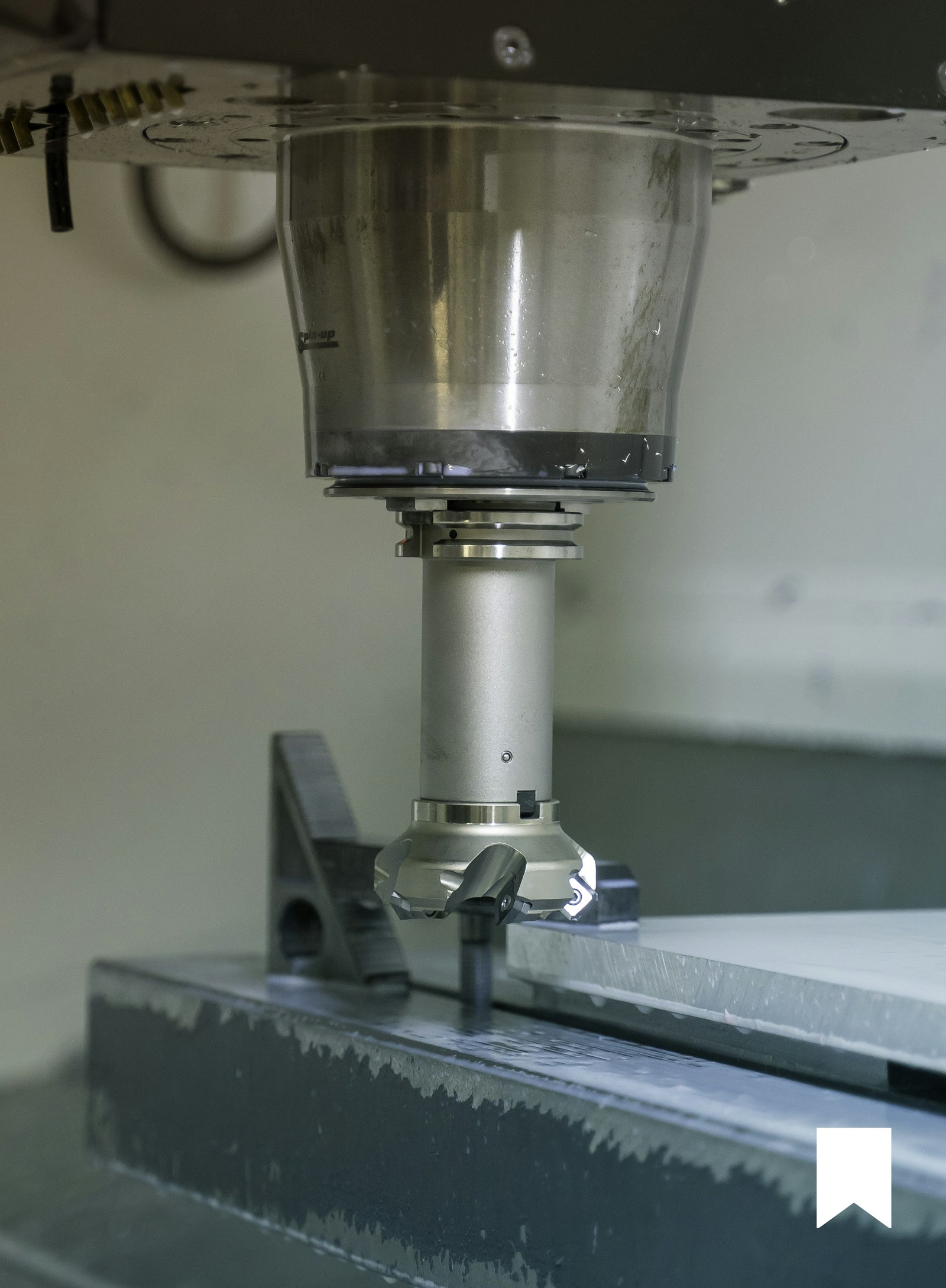
Start manufacturing training while in high school. Dual enrollment and CTE programs let you earn college credit and industry certifications before graduation.
Dual enrollment advantage: Take community college courses free as a high school student, compressing your path to a technician career from years down to months.
CTE classes teach real skills on equipment you'll use in actual technician jobs, not textbooks only.
Financial win: Apprentices who begin early avoid tens of thousands in student loan debt. They reach technician wages years sooner than college graduates.
Getting started: Talk to your high school guidance counselor about CTE and dual enrollment options. Or explore Manufacturing Georgia to discover what manufacturing technician roles exist and where demand is strongest in your region.
Are you a high school student in Georgia weighing your options after graduation? Or a parent exploring whether there's a smarter path than four years and significant college debt? High school manufacturing programs Georgia offer exactly that. The traditional route stretches your earning timeline. But dual enrollment manufacturing georgia, CTE courses, and pre-apprenticeship programs let you start years earlier. Earn college credit while in high school. Graduate with industry certifications. Step into a paying technician role within weeks of your diploma. No student debt. Real earning potential from day one.
Unmudl and Georgia's community college network operate fast-track technician training paired with high school programs. Many students start in ninth grade and work as technicians by nineteen or twenty.
High school manufacturing programs combine structured classroom instruction with hands-on training. You learn on equipment you'll actually use on the job. Students learn through dual enrollment (college courses tuition-free while in high school), CTE programs in most Georgia public schools, and pre-apprenticeship tracks leading directly to paid work. These pathways let you earn certifications, build real skills, and begin technician positions months after graduation instead of years.
Many people hear "manufacturing" and think dead-end or outdated. That's wrong. Modern manufacturing technicians maintain complex automated systems. They troubleshoot computerized machinery, diagnose problems under pressure, and earn solid paychecks from their first day on the job.
Technician roles in Georgia pay competitively from the start. Manufacturing technicians generally earn well above minimum wage immediately, with raises as you gain experience. Many facilities offer several advantages once you're hired:
The work itself is tangible and satisfying. You solve real problems. You see direct results of your skills. Equipment downtime costs employers thousands per hour, so your work matters immediately. Skilled technicians are in short supply everywhere. Georgia's manufacturing sector keeps growing. Employers need people like you now. Explore what technician roles pay and where demand is highest across Georgia.
Starting in high school gives you an advantage. By the time your college-bound peers are sophomores in a four-year program, you're already working, earning, and building a resume employers value.
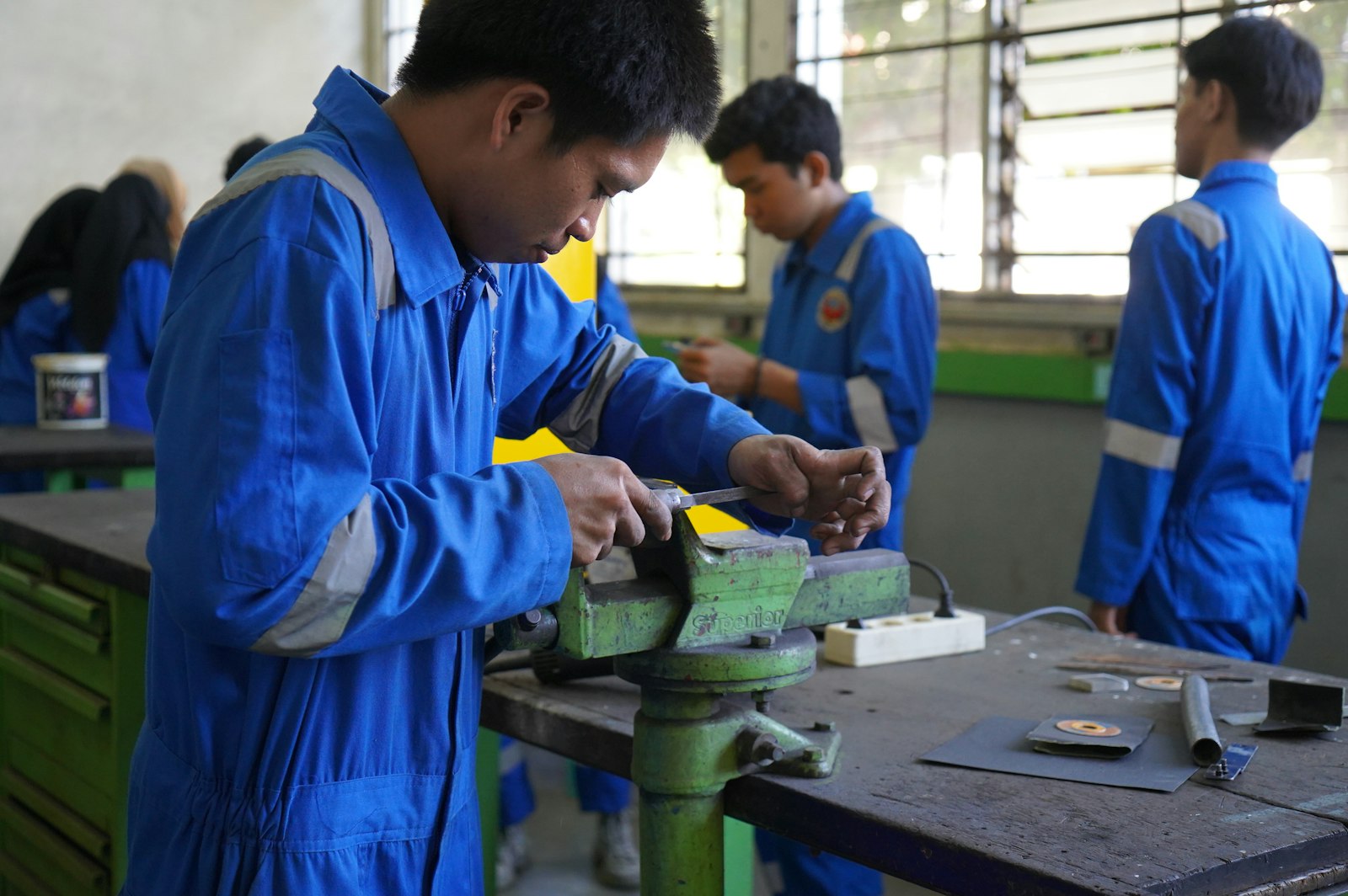
Dual enrollment manufacturing georgia opportunities allow you to take college courses while enrolled in high school. Georgia allows high school students to attend nearby community colleges tuition-free (in many programs) or at minimal cost. You can attend during school hours or after school. You earn college credit that counts toward an associate degree or a technician certificate. You also earn high school credit simultaneously. One course counts for both.
Here's what makes this powerful: if you start dual enrollment in ninth grade with one or two courses, then add more in tenth and eleventh grade, you can finish high school with a full year of college coursework already completed. Some students graduate with an associate degree finalized or nearly complete. Others finish the degree within weeks of high school graduation.
The timeline advantage is enormous. Traditional path: four years high school, then two years college, then entry-level technician work. That's six to ten years from high school to senior technician status. Dual enrollment path: start at fourteen or fifteen. Graduate high school at eighteen with college credit. Enter a paid apprenticeship. Reach technician wages by twenty or twenty-one. The earnings gap compounds every year.
Georgia's dual enrollment programs vary by region and high school. Your school counselor should know what's available locally. Some districts partner with technical colleges in your area. Others offer on-campus college courses. Cost: usually free or very low, since the state funds technical education dual enrollment. Ask your counselor which manufacturing, electrical, maintenance, or industrial courses are available.
Vocational high school georgia manufacturing programs like Career and Technical Education (CTE) are built around real skills. You learn on actual equipment: welders, CNC machines, pneumatic systems, electrical panels, HVAC units. Most CTE courses lead to industry-recognized certifications. Many also earn college credit.
Georgia has strong CTE manufacturing georgia high schools in most regions. Typical offerings include:
Not every school offers every program. Availability depends on your region. Some districts have dedicated manufacturing career academy georgia campuses. Others partner with technical colleges so you attend classes at a partner campus while staying enrolled in your home high school.
Pre-apprenticeship georgia high school programs are structured training offerings. They usually last one school year (sometimes two). You learn foundational skills, safety certifications (like OSHA 10), and workplace readiness. Pre-apprenticeship graduates move directly into paid apprenticeships. You shift from student to employee. Most apprenticeships pay fifteen to twenty-five dollars per hour starting out, with regular raises as you progress.
The practical difference: pre-apprenticeship is classroom-heavy training with minimal or unpaid work. Apprenticeship is a legal employment relationship where you're a paid employee. You learn on the job under a mentor or experienced technician. You work full-time and earn a regular paycheck. Explore apprenticeship opportunities through Georgia's registered programs to see what's available in your area.

Yes, but with practical limits. You must be at least sixteen years old (eighteen for some roles). Your high school attendance is still required by law. Georgia allows registered apprenticeships to begin while you're in high school. The structure just requires coordination with your school.
A typical timeline: Start pre-apprenticeship in eleventh grade (a one-year program). Graduate high school. Move into paid apprenticeship at eighteen or shortly after. Work full-time. Earn wages. Attend classroom instruction one or two days per week. Apprenticeships typically last two to four years depending on the role and employer. You graduate with paid work experience, no student debt, and a job offer from your training employer. Most hire their apprentices.
The financial picture is striking. You're earning and learning simultaneously. Many apprentices make thirty to forty thousand dollars annually during the apprenticeship. Often with health insurance and 401(k) matching. After completing the program, you'll earn fifty thousand or more annually as a full technician. That's real income while you're still gaining skills, the opposite of the college track.
Some Georgia employers actively recruit high school pre-apprenticeship students. This includes large manufacturers in your region and national companies operating facilities here. They identify talent early. They often extend full apprenticeship positions to pre-apprenticeship graduates.
Compare the paths directly.
| Aspect | Path A: Traditional College | Path B: High School to Manufacturing |
|---|---|---|
| Timeline to earning | Graduate high school at 18 → 4-year university → age 22 or 23 | Start with CTE manufacturing georgia high schools at 14-15 → working as technician by 20-21 |
| Initial income & setup | Entry-level role at $22-28k/year starting out at age 22-23 | Paid apprenticeship at $15-25/hr + benefits; working immediately |
| Debt | ~$37,000 average student debt | Minimal to none |
| Cumulative earnings by age 25 | Just starting entry-level role; still repaying loans | 5+ years of technician income earned; $100,000+ cumulative |
| Career trajectory | Entry-level, competing for roles | Skilled technician in high demand; established employment history |
Dual enrollment and CTE cost little to nothing (Georgia taxpayers fund them). Apprenticeships are paid. Your employer covers training costs and pays you to work while learning. Many Georgia manufacturing facilities provide tuition assistance for further certifications or community college coursework once you're hired, professional development time off, advancement into supervisory or specialized roles, and benefits like pension matching or 401(k) contribution.
Starting young means you eliminate the debt burden before your peers graduate college. Or you simply build wealth now.
High school technician training georgia pathways follow this realistic progression.
Total time from high school entry to full technician employment: three to four years, with paid work for the last two to three years. Compare that to high school plus four-year college plus two years entry-level work. That's eight to ten years unpaid or underpaid.
When exploring high school manufacturing programs georgia, you'll find CTE offerings in welding, electrical systems, HVAC, industrial maintenance, machining, and hydraulics. Not every school has every program. Availability depends on your region. Ask your school counselor what's offered locally. If your high school doesn't offer a specific program, you might attend a partner technical college or regional career academy. Many of these roles lead directly into paid apprenticeships.
Yes. Many CTE courses earn college credit if taken through dual enrollment. Or if your community college recognizes the certification. Dual enrollment courses definitely count toward your associate degree. Some programs allow you to graduate high school with thirty or more college credits already earned. This cuts months or a full year off a traditional two-year technician certificate.
Most don't. Dual enrollment is state-funded in Georgia for technical programs. CTE courses are part of your regular high school schedule. Pre-apprenticeship programs may have small fees. You might need to purchase certain safety equipment or tools. Most are free or very low cost (under two hundred dollars). Once you enter a paid apprenticeship, your employer covers all training costs. They pay you while you learn.
Starting in high school, you can be job-ready within three to four years. Some students accelerate and finish in two and a half years. A traditional path (high school, then an associate degree program, then entry-level work) takes six to eight years. Most technician apprenticeships are three to four years. You combine paid full-time work with classroom study one or two days per week.
Start broad. Take a general CTE intro course or foundational maintenance class in ninth grade. Talk to working technicians. Many visit schools or participate in career days. Pursue job shadow opportunities at local manufacturers. Dual enrollment lets you sample different courses. Most students discover their specific interest (welding, electrical, hydraulics, machining, or systems) once they try it hands-on.
Start with your school counselor. Contact your regional technical college. Check your state's apprenticeship program office. Manufacturing internship high school georgia programs and apprenticeship opportunities are often coordinated through these resources. Many employers, including Amazon facilities, Intel operations, and other large manufacturers based in Georgia, post apprenticeship openings directly. They also use the registered apprenticeship system. Explore current manufacturing opportunities and roles near you to see what employers are hiring.
Your path to a manufacturing career doesn't have to wait until after college. It starts now, in ninth or tenth grade, with a dual enrollment course, a CTE class, or a pre-apprenticeship program. By the time your classmates are finishing their freshman year at university, you could be earning as a working technician. You'd be building skills employers actually want. You'd be setting yourself up for decades of job security. Start exploring manufacturing training options that fit your schedule and interests.